







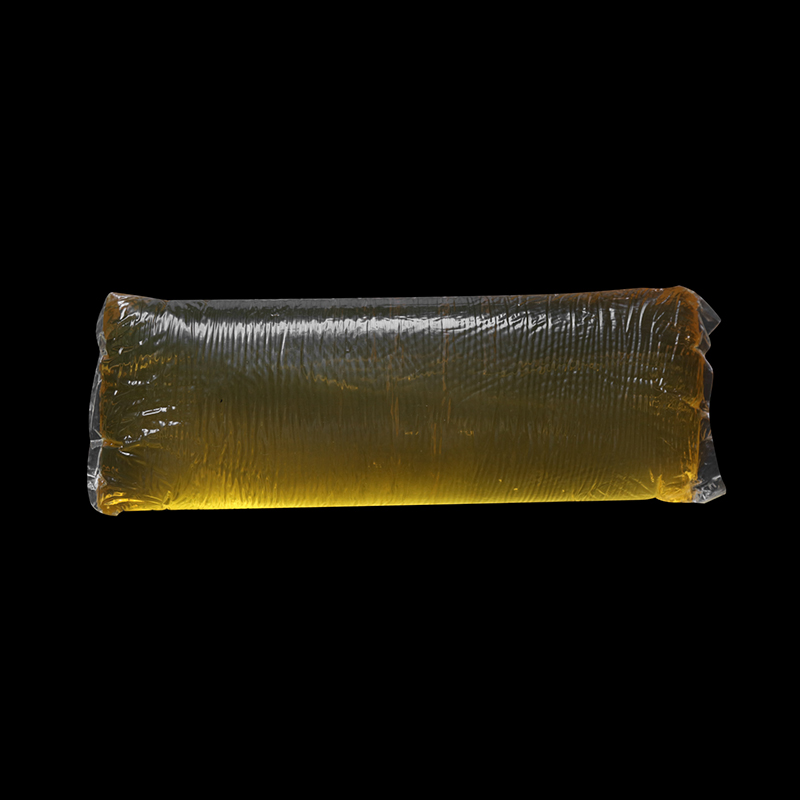
Deep Freeze Label Hot Melt Adhesive - China Suppliers & Factory for Low Temperature Applications
Physical Properties
| Composition | Synthetic resin |
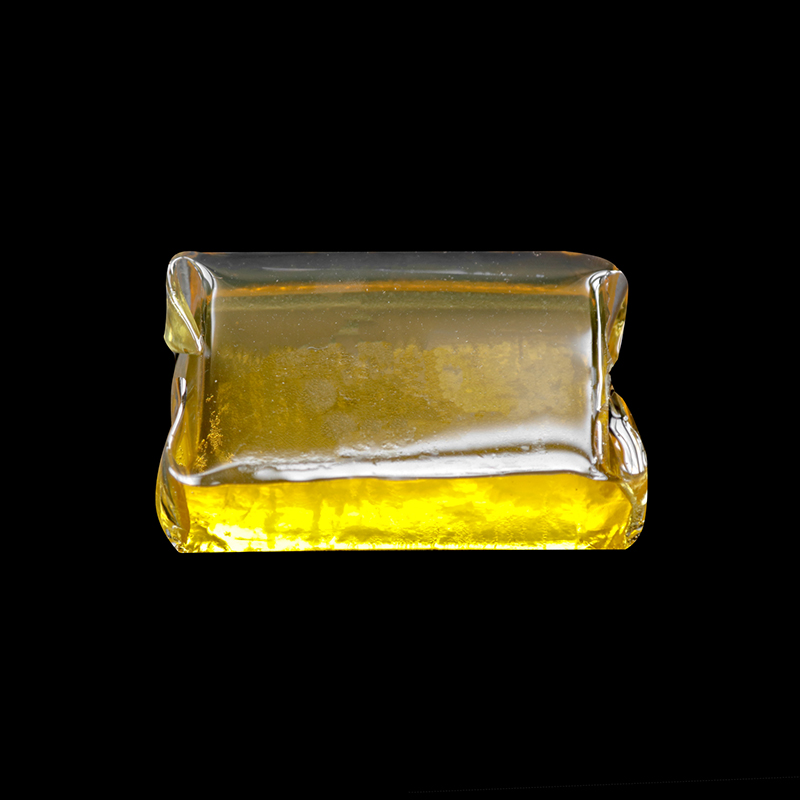
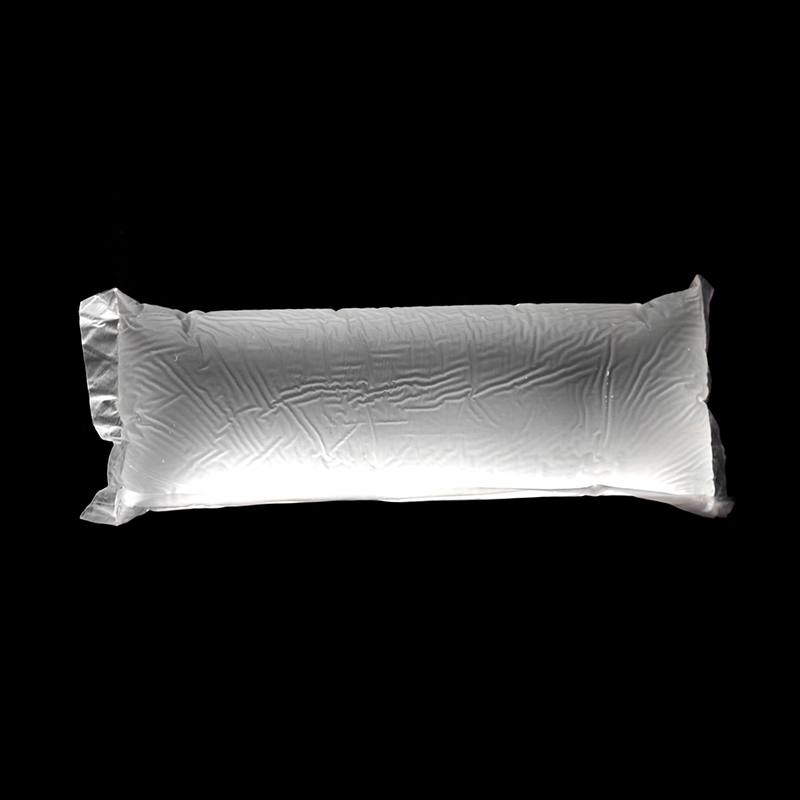
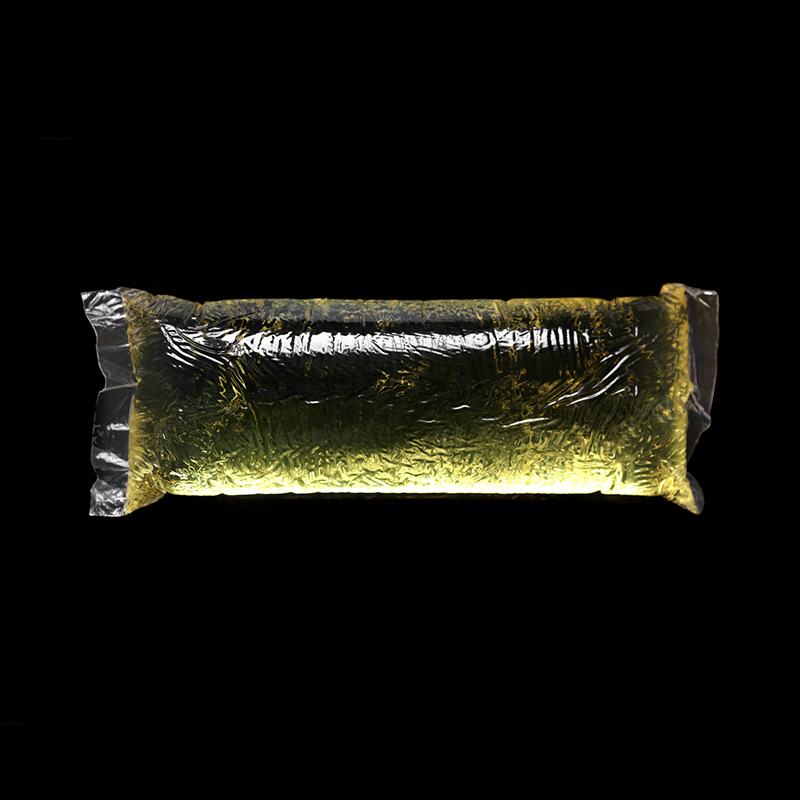
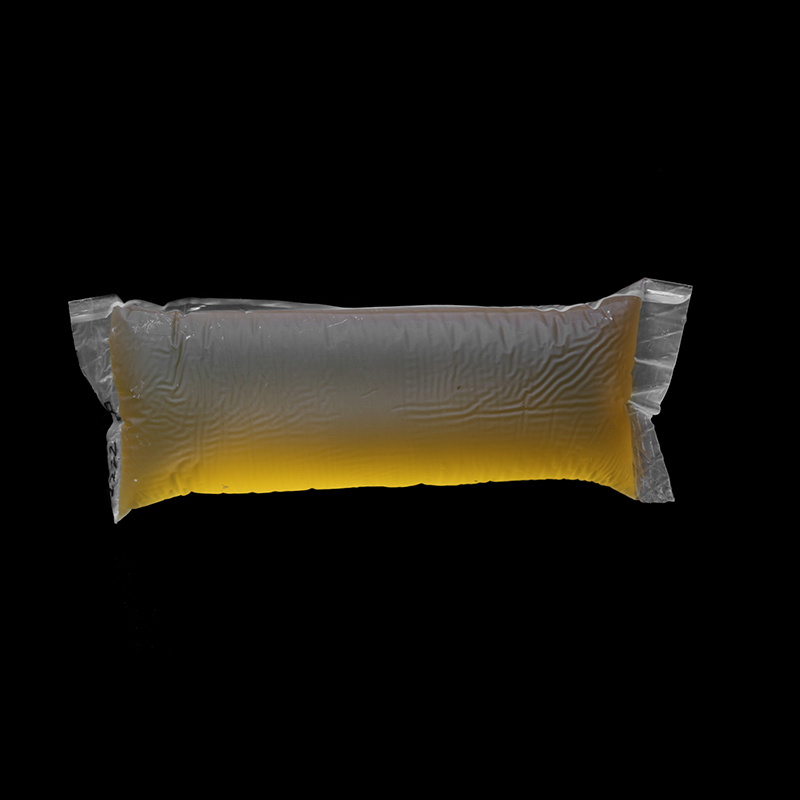
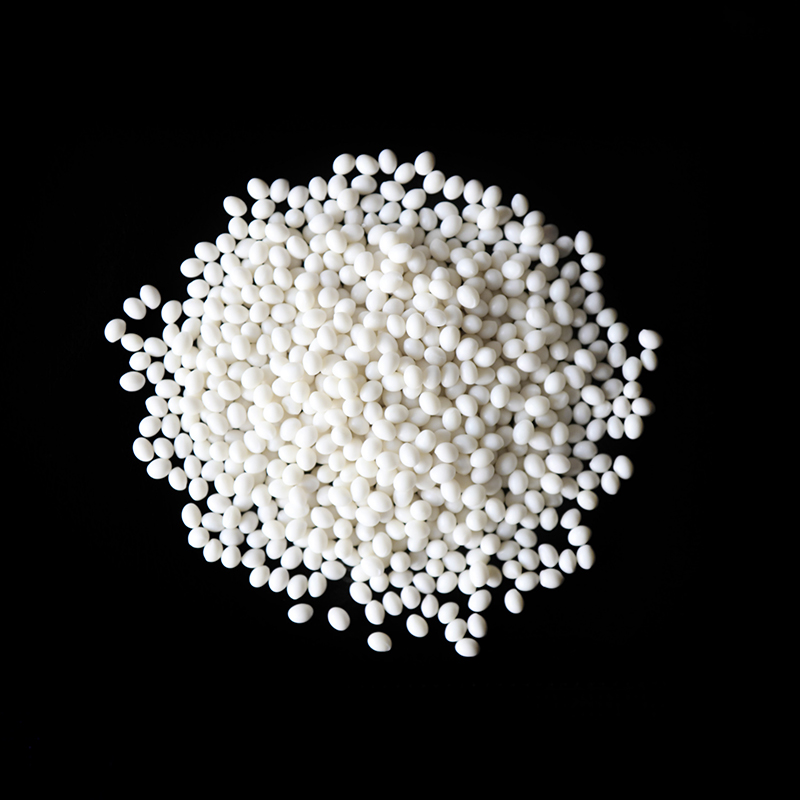
| Appearance | Yellow translucent |
| R&B Softening Point | Approx. 102°C |
| Brookfield Viscosity |
165℃: About 15000 mps 175℃: About 11000 mps 185℃: About 8300 mps |
| Density | 0.98 g /cm³ |
| Toxicity | None |
Application
Its adhesion performance will be affected by substrates, release paper and application environment, so trial run is necessary to determine whether the adhesive is suitable.
There should be no dust or oil on the surface of substrates and release paper, also the substrates and release paper should be treated to constant temperature and humidity before application.
Description
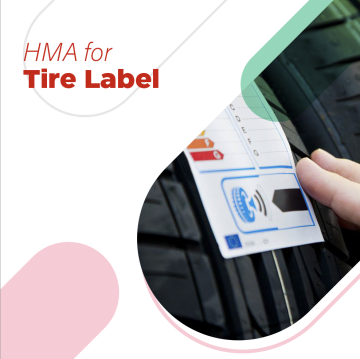
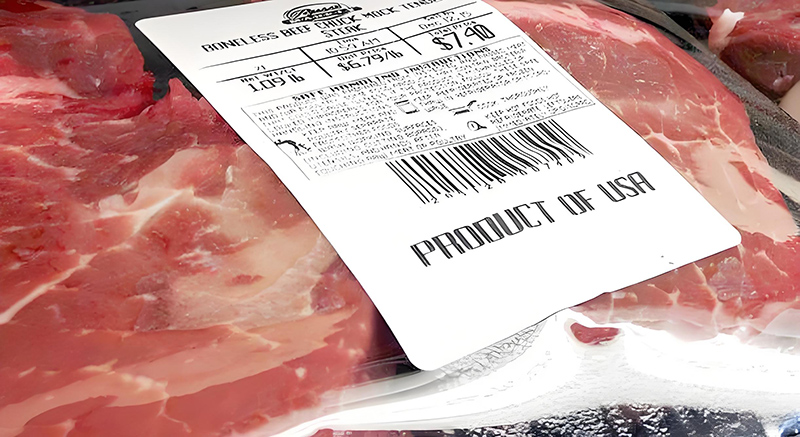
The comprehensive performance of the HM-2452 adhesive sets it apart from traditional adhesives, making it a versatile and reliable choice for a wide range of applications. Its ability to maintain strong adhesion at low temperatures, combined with its balanced peel strength, ensures that labels stay firmly in place while still allowing for easy removal when necessary.
Whether you're labeling products for storage in cold storage facilities, refrigerated warehouses, or any other low temperature environment, the HM-2452 adhesive is the perfect solution. Its superior performance in low temperature conditions makes it an invaluable tool for industries such as food and beverage, pharmaceuticals, and logistics, where maintaining label integrity in cold environments is crucial.
Application Methods: Roller or Spray
Operating temperature: The 165-180℃ is recommended. Glue viscosity can be adjusted by the temperature; appropriate decrease of 5-10℃ in summer and increase of 5-10℃ in winter.
Application-temperature: Labels should be applied between -20°C and 20°C.
Temperature resistance: The applied label remains stable from -50°C to +30°C.
Warnings
- Don’t mix the product with other adhesives.
- Keep the adhesive containers covered to avoid dust or contamination.
- Stop heating if you don’t use it for a long time to avoid the carbonization of the adhesive.
- Wear safety glasses, safety gloves and safety clothes when using hot melt adhesive to avoid scald.