When you're working on building projects, having the right Adhesive can really make or break things. Construction glue, after all, is super important because it keeps everything stuck together solidly, making sure your structures are stable and durable. With so many options out there—especially with cool new hot melt adhesives from Foshan Nan Pao Advanced Materials Co., Ltd.—it’s easy to get overwhelmed. That’s why it’s a good idea to understand the different kinds of construction glue and what they’re best suited for. NAN PAO, which is part of the NanPao group, is really good at bringing top-quality resources together for research, development, and market stuff. They offer a bunch of hot melt adhesives that are perfect for industries like sanitary products, footwear, and labels. So, in this blog, I’ll walk you through a handy checklist to help you compare the different types of construction glue out there. Hopefully, it’ll help you pick the perfect adhesive for your next project!
The Importance of Choosing the Right Construction Glue for Project Success
When you're diving into building projects, honestly, choosing the right kind of construction glue is a total game-changer. There are so many different adhesives out there, each suited for different materials and purposes, so making the right call really matters if you want everything to turn out well. It’s pretty wild, but industry data shows that using the wrong glue can actually cause serious issues — stuff like structural failures or costly delays. For instance, one major study found that more than 30% of building mishaps are directly linked to not using the right adhesive, which really highlights just how vital a good glue choice is for making sure everything stays sturdy and lasts long-term.
On another note, recent advancements in adhesive tech have really opened up new possibilities, especially when it comes to bonding tricky materials like metal. Those old-school materials that used to give everyone a headache now bond surprisingly well with modern high-performance glues. This is pretty great because it means your projects can be super durable, even when mixing different materials. Market trends also show that demand for construction adhesives is expected to skyrocket in the next few years — mainly because more builders are focusing on sustainability and eco-friendly practices. So, picking the right glue isn’t just about making things work — it also helps you stay aligned with current building trends that prioritize durability and eco-consciousness.
The Ultimate Showdown of Construction Glue Types for Your Building Projects
| Glue Type | Best Use Cases | Cure Time | Strength | Water Resistance |
| PVA Glue | Wood, Paper | 30 minutes | Medium | Low |
| Polyurethane | Wood, Metal, Plastic | 24 hours | High | High |
| Epoxy | Metal, Glass, Ceramics | 24-48 hours | Very High | Excellent |
| Construction Adhesive | Heavy Materials, Paneling | 20 minutes | High | Medium |
| Silicone | Glass, Metal, Plastics | 24 hours | Medium | High |
Exploring Polyurethane Construction Adhesives: Performance and Applications
When it comes to construction adhesives, polyurethane glues have really earned their reputation for being both versatile and high-performing. According to a report from the Adhesive and Sealant Council (ASC), these adhesives pack a punch—having a tensile strength that’s way higher than your average glue, hitting around 4000 psi. That’s what makes them perfect for those tricky, high-stress jobs, like bonding wood, metal, and concrete—whether inside or out. Plus, they’re pretty resistant to moisture and temperature swings, which means they’ll hold up well even in tough climates, reducing the chances of issues down the line.
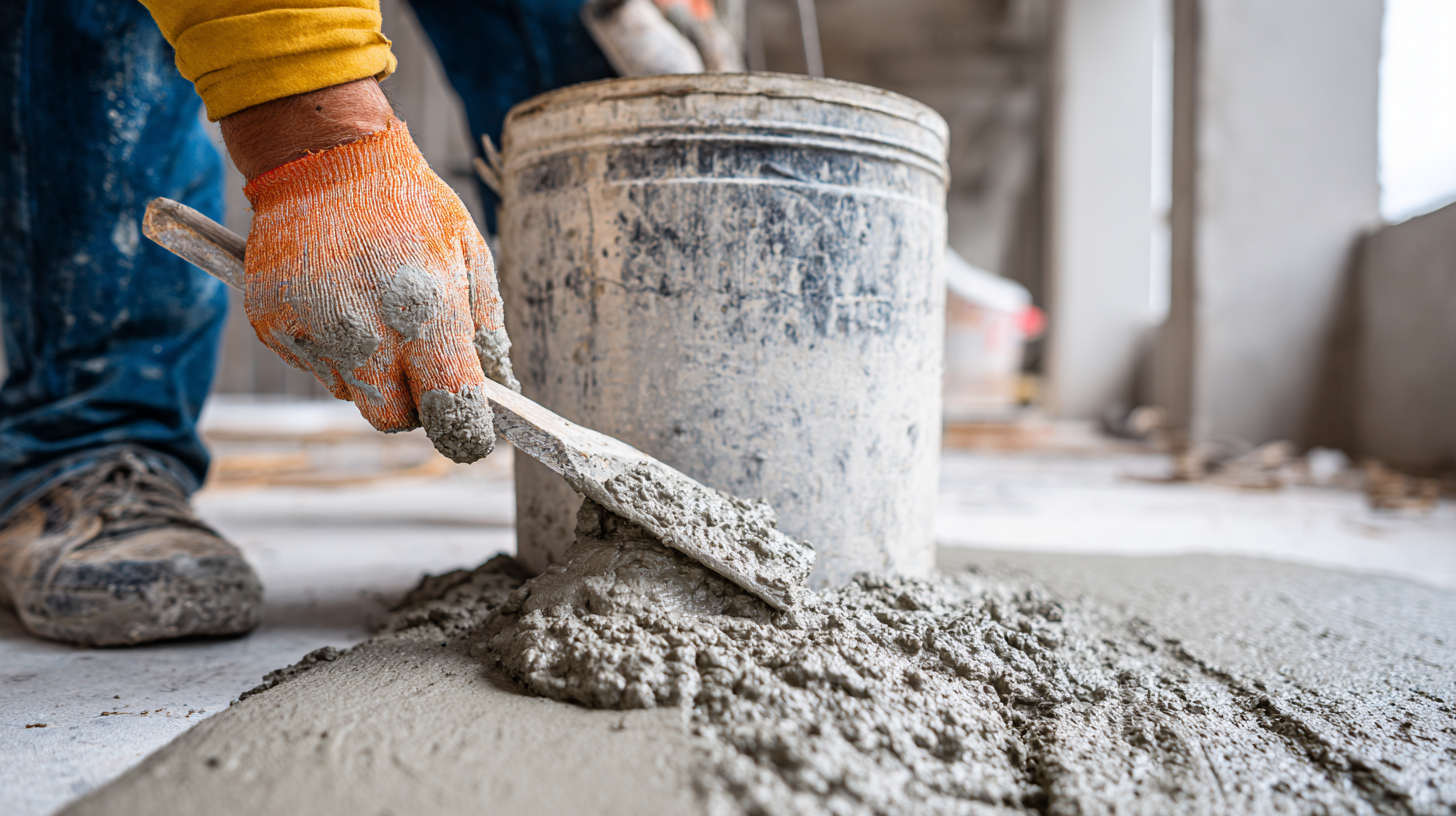
And honestly, the potential of polyUrethane Adhesives is pretty impressive. Market Research Future predicts a steady growth — like a 5.2% CAGR over the next five years. That’s mainly because more and more people are using them in both homes and commercial projects. They’re not just great for structural stuff; they also work really well for aesthetic finishes, giving those seamless looks that high-end architecture demands. All in all, with their proven track record and market growth, polyurethane adhesives are definitely a top pick for modern construction projects.
The Advantages of Epoxy Adhesives in Heavy-Duty Construction Tasks
When it comes to heavy-duty construction jobs, epoxy adhesives are definitely one of the top choices for contractors and builders. They're super versatile and known for their incredible ability to bond materials like metal, wood, and concrete. Unlike some other glues out there, epoxy adhesives go through a chemical reaction that creates a bond strong enough to handle serious stresses and high temperatures. That’s what makes them perfect for tough jobs, whether you're reinforcing a structure or putting together complex frameworks.
But the perks of epoxy don’t stop at strength. They’re also resistant to water, chemicals, and UV rays, which means they tend to hold up really well over time, even in rough environments. This makes them especially handy for outdoor projects or industrial setups where things can get pretty harsh. Plus, once they cure, epoxy adhesives leave behind a smooth finish that looks neat and professional — no sacrificing style for function. All these reasons really explain why epoxy adhesives are such a big deal in modern construction. They help get the job done safely and last long, whether it’s a quick fix or a massive build.
Silicone Adhesives: Flexibility and Weather Resistance in Building Projects
When you're working on a construction project, picking the right adhesive is a pretty big deal if you want things to last. Silicone adhesives really shine here because they’re super flexible and can handle all kinds of weather. That’s why you'll see them being used for tons of stuff, like sealing windows or sticking tiles down. They’re tough enough to handle hot sun, freezing cold, and everything in between, which makes them perfect for outdoor jobs.
Here's a little tip: go for a high-quality silicone adhesive that's labeled for what you need. Not all are the same, and some are better suited for certain materials or conditions. So, don’t skip reading the label — it's worth it!
Also, silicone adhesives are great because they let joints and seams move a little — which is super important since buildings tend to expand or contract with temperature swings. That flexibility helps prevent cracking and other issues from sneaking in over time.
Pro tip: Before you start gluing, make sure the surfaces are clean and dry. Dirt or moisture can really mess up how well the adhesive sticks. And try to spread it evenly—avoid slapping on too much—so you get a nice, tidy finish that holds strong.
Comparative Analysis of PVA and Contact Adhesives for Woodwork in Construction
When you're diving into woodworking for construction projects, picking the right adhesive can really make or break your work—literally. Two of the most common options folks reach for are PVA (that’s Polyvinyl Acetate) glue and contact adhesives. PVA's pretty popular because it forms a strong bond and is super easy to work with. Plus, it dries clear and isn’t toxic, so it’s a great pick for indoor projects. On the flip side, contact adhesives give you an instant grip the moment you press the surfaces together, which is awesome if you need quick results or you're working on big areas. But heads up—once you stick it, it's nearly impossible to reposition, so you gotta be careful with your placement.
**Pro tip:** If you’re making furniture or things that need to hold up over time, go for PVA glue—it’s reliable and long-lasting. But if you’re working with veneers or laminates where you need the glue to grab instantly, then contact adhesive could be your best bet.
Now, let’s talk about drying times. PVA tends to take a bit longer to fully set, giving you some wiggle room to adjust things as you go. Contact adhesives, meanwhile, dry super fast—so it’s crucial to get it right on the first try.
**Another tip:** When you’re using PVA, make sure to clamp everything together while it’s drying—that helps get that solid, strong bond. And if you're going the contact adhesive route, prep your surfaces first and apply quickly—wasting less material and making sure everything sticks perfectly.
The Ultimate Showdown of Construction Glue Types
This chart compares the effectiveness and usage scenarios of PVA (Polyvinyl Acetate) and Contact Adhesives in construction projects specifically for woodworking. The parameters assessed include Bond Strength, Drying Time, Water Resistance, and Flexibility. The ratings are on a scale of 1 to 10.
Understanding the Role of Construction Adhesives in Sustainable Building Practices
When it comes to building in a way that's friendly to the planet, construction adhesives really play a crucial role. They help make structures stronger, but traditional adhesives often contain nasty chemicals that can mess with indoor air quality and harm the environment. Luckily, there's been a big shift towards eco-friendly adhesives made from bio-based materials. These greener options not only cut down on toxic fumes but also make it easier to recycle building materials, helping projects stay in line with green building standards.
Plus, modern construction adhesives are super versatile. You can use them for all sorts of things — whether it's sticking together wood, concrete, or even holding insulation in place. That kind of flexibility makes construction work simpler and also helps reduce waste since you don’t need as many products to get the job done. As more architects and builders focus on sustainability, it’s really important to get a handle on the different types of adhesives out there and understand how they impact the environment. Switching to these innovative, eco-friendly options isn’t just good for the planet — it also helps create safer, healthier spaces for everyone, and paves the way toward a more sustainable construction industry in the future.
FAQS
: Selecting the right construction glue is crucial as improper adhesive choice can lead to structural failures or costly project delays, with over 30% of construction mishaps linked to inadequate adhesive use.
Modern advancements have enhanced glue technology, allowing for strong bonding with challenging materials like metal, which improves the durability of projects that use mixed materials.
Eco-friendly construction adhesives, made from bio-based materials, reduce harmful emissions and improve the recyclability of building materials, supporting green building practices.
Silicone adhesives offer flexibility and exceptional weather resistance, making them ideal for various applications and helping to prevent cracking in buildings that expand and contract with temperature changes.
Always choose a high-quality silicone adhesive that specifies its intended use, and ensure surfaces are clean and dry before application for optimal adhesion.
Yes, modern construction adhesives are versatile and can bond various materials, such as wood, concrete, and insulation, simplifying the construction process and minimizing waste.
Silicone adhesives withstand extreme temperatures and UV exposure, making them particularly suitable for outdoor applications.
Over-application of adhesive can lead to a messy finish and weakened bond, hence it is advised to apply it evenly for stronger results.
Traditional adhesives often contain harmful chemicals that contribute to indoor air pollution, while eco-friendly options reduce toxic emissions, improving indoor air quality.
Understanding the different types of adhesives and their environmental impacts is essential as builders increasingly prioritize sustainability in construction projects.
Conclusion
Picking the right construction glue really matters if you want your project to turn out well. It’s actually a big deal because it affects how strong and long-lasting the whole build will be. There are different types of adhesives for different jobs. For example, polyurethane construction adhesives are pretty versatile and do a great job across the board. Epoxy adhesives, on the other hand, are the go-to if you need something super tough—that stuff can handle heavy-duty stuff no problem. Then there’s silicone glue, which is perfect for outdoor projects since it’s flexible and can stand up to weather pretty well.
When it comes to woodworking, options like PVA and contact adhesives are also worth knowing about—they each have their own perks depending on what you're working on. Understanding these adhesives can really help you work smarter and also keep things more eco-friendly. Here at Foshan Nan Pao Advanced Materials Co., Ltd., we focus on top-notch hot melt adhesives that work across various industries. We want to make sure your choice of construction glue hits the mark and helps you get your project done successfully.