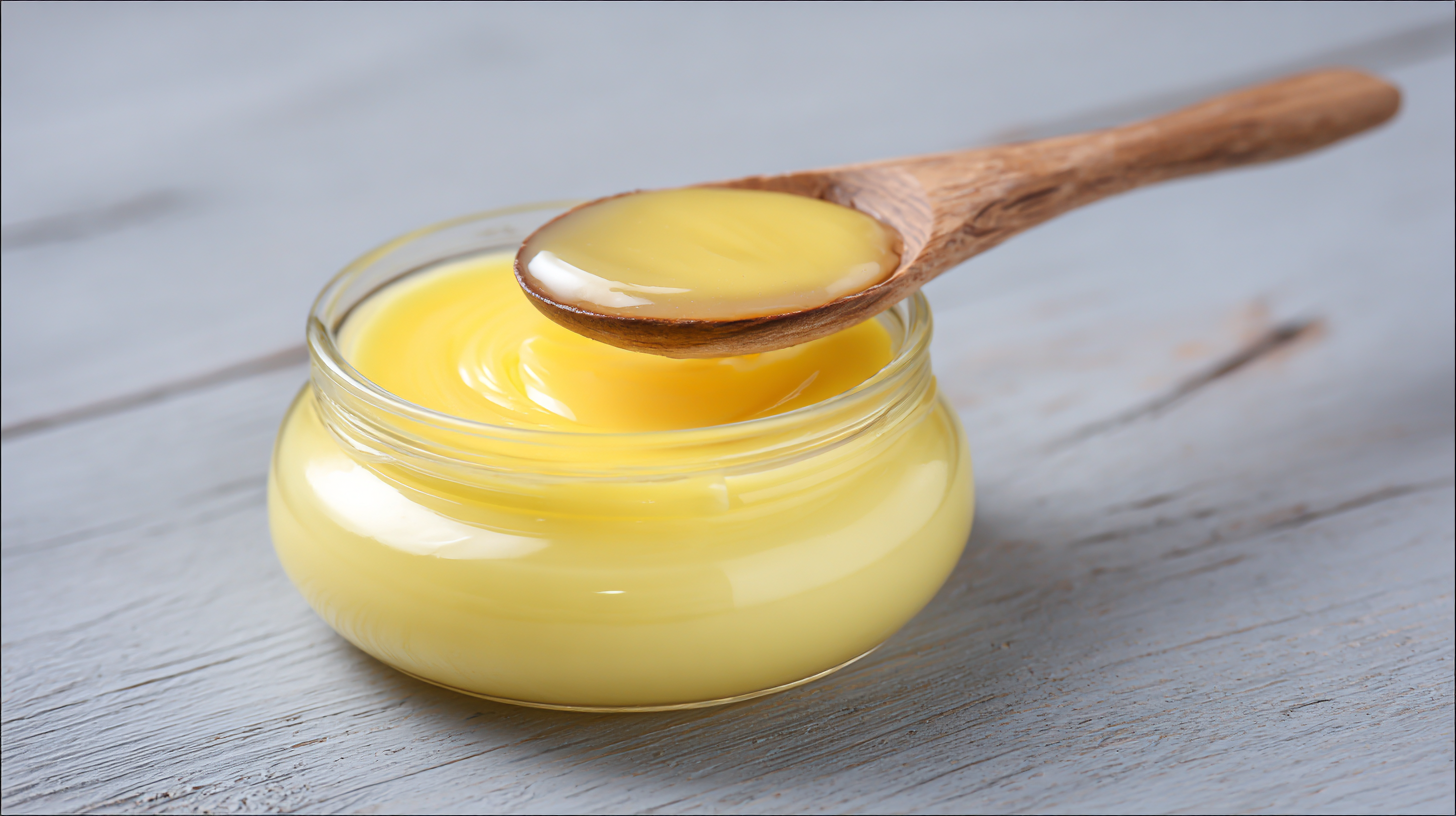
In the ever-changing world of labeling solutions, picking the right Adhesive really makes a huge difference in how long labels last and how well they work.Lately, Label Hot Melt Adhesive has become a go-to for lots of industries because of its strong bonding ability and versatility. If you look at the market insights from Grand View Research, they mentioned that the global hot melt adhesive market hit around 7.1 billion USD back in 2020, and it’s expected to grow at about 5.6% annually from 2021 all the way to 2028.
Foshan Nan Pao Advanced Materials Co., Ltd.—a real pro when it comes to hot melt adhesives—puts its expertise into creating a wide range of top-notch Label Hot Melt
Adhesive Products. They mainly focus on sectors like
sanitary goods,
footwear, and labels, blending innovative R&D with market needs to come up with solutions that truly meet high standards for quality and performance.
Benefits of Hot Melt Adhesive in Labeling Applications
Hot melt adhesives have really become a game-changer when it comes to labeling. They're packed with benefits that just make the whole process smoother and more efficient. For starters, their quick setting time means you can speed up your production line pretty significantly. Actually, some studies suggest that using hot melt adhesives can boost labeling speeds by as much as 30%. That makes them a no-brainer for high-volume production environments. Plus, this kind of efficiency helps cut down on operational costs and reduces downtime, so companies end up making more money in the end.
And the best part? Hot melt adhesives stick like a charm on different types of surfaces. So, whether your labels are on products stored in tricky conditions or are being shipped across the globe, they stay put. Recently, industry reports highlighted that the global demand for hot melt adhesives in labeling is expected to grow at about 6.8% annually up to 2028. This growth is fueled by better adhesive tech and the push for more automation in manufacturing. Companies like Foshan Nan Pao Advanced Materials Co., Ltd. are really leading the way here. They produce a wide range of high-quality hot melts tailored for all sorts of industries—think sanitary products, footwear, and of course, labels. Essentially, they're key players in helping brands boost visibility and strengthen their brand recognition through better labeling solutions.
Key Features That Make Hot Melt Adhesives Stand Out
When it comes to labeling, hot melt adhesives really have some pretty cool features that set them apart from other types of glue out there. One of the biggest perks? They bond super quickly. Like, once you put them on, they cool down fast and—bam!—you get a strong hold within seconds. That’s why they’re such a hit on fast-moving production lines. It’s a huge time-saver and really helps keep things moving smoothly. Plus, it just feels satisfying knowing your labels stick perfectly right away, no waiting around.
**Tip:** To get the best results with hot melt glue, make sure the surfaces you're sticking things onto are nice and clean and completely dry beforehand. Trust me, it makes a big difference when it comes to how well everything holds up over time.
Another thing I love about hot melt adhesives is just how versatile they are. They work on all sorts of materials—plastic, glass, paper—you name it. That means you can really get creative with your labeling solutions across different industries. And if you need something specific, there are different formulations available, designed to tackle things like high temperatures or needing extra flexibility.
**Tip:** Think about where your labels will actually be used. Picking the right formulation can make or break performance, especially if they’ll be exposed to extreme conditions or rough handling.
Label Hot Melt Adhesive Performance Comparison
Top Industries Benefiting from Hot Melt Adhesive Solutions
Hot melt adhesives have really changed the game for a lot of industries that need quick, reliable labeling. Take the food and beverage world, for example — where keeping things fresh and making sure packaging stays intact is super important. In these situations, hot melt adhesives are a lifesaver because they stick labels on securely, even when things get a bit moist. Plus, they cure quickly, so production lines can run fast without sacrificing quality — no one wants slow bottlenecks, right?
Then there’s the consumer goods side of things. For brands, making sure labels look great and stay put during shipping and display is a big deal. Hot melt adhesives are perfect here too because they can handle sharp, colorful labels that stay bright and stuck, no matter what. They’re also super versatile — you can use them on paper, plastic, or a bunch of other materials. That means manufacturers can really get creative and customize their labeling to connect better with customers. All in all, hot melt adhesives are pretty much essential across different industries because they boost product appeal, keep things durable, and help companies stay competitive in the market.
Common Challenges and Solutions When Using Hot Melt Adhesives
When using hot melt adhesives for labeling, manufacturers often run into some common issues that can really affect how well things turn out. One of the biggest headaches is the fluctuation in temperature during application. As per a study by the Adhesive and Sealant Council, if you don’t keep the temperature in check, you might end up with labels that peel off too soon. It’s pretty important to keep the right temperature—somewhere between 350°F and 400°F—since that range helps the adhesive flow just right and bond properly.
Another tricky problem folks often bump into is adhesive stringing during the labeling process. Basically, when the glue pulls away from the label, it leaves behind these thin, stringy bits that don’t look great and can even mess with the product’s functionality. The Institute of Packaging Professionals points out that using adhesives with lower viscosity can help keep this in check by ensuring the glue flows smoothly. Plus, making sure your application equipment is dialed in and well-maintained can go a long way toward cutting down on stringing issues.
And don’t forget, environmental factors like humidity and how clean the surface is can also throw a wrench in things. A study by the National Association of Manufacturers highlights that surfaces with dirt or contaminants can seriously weaken the bond, leading to poor adhesion. So, it’s definitely worth taking the time to prep surfaces properly and keep conditions in check if you want your hot melt adhesives to perform their best.
Best Practices for Storing and Handling Hot Melt Adhesives
When it comes to hot melt adhesives used in labeling, taking good care of how you store and handle them is super important if you want them to perform well and last longer. I came across a report from the Adhesive and Sealant Council that said about 30% of adhesive failures are actually because of bad storage conditions — crazy, right? So, it's best to keep these adhesives in a cool, dry spot, away from direct sunlight and moisture. Ideally, they should be kept somewhere between 60°F and 80°F (that's roughly 15°C to 27°C) to keep their viscosity and sticking power just right.
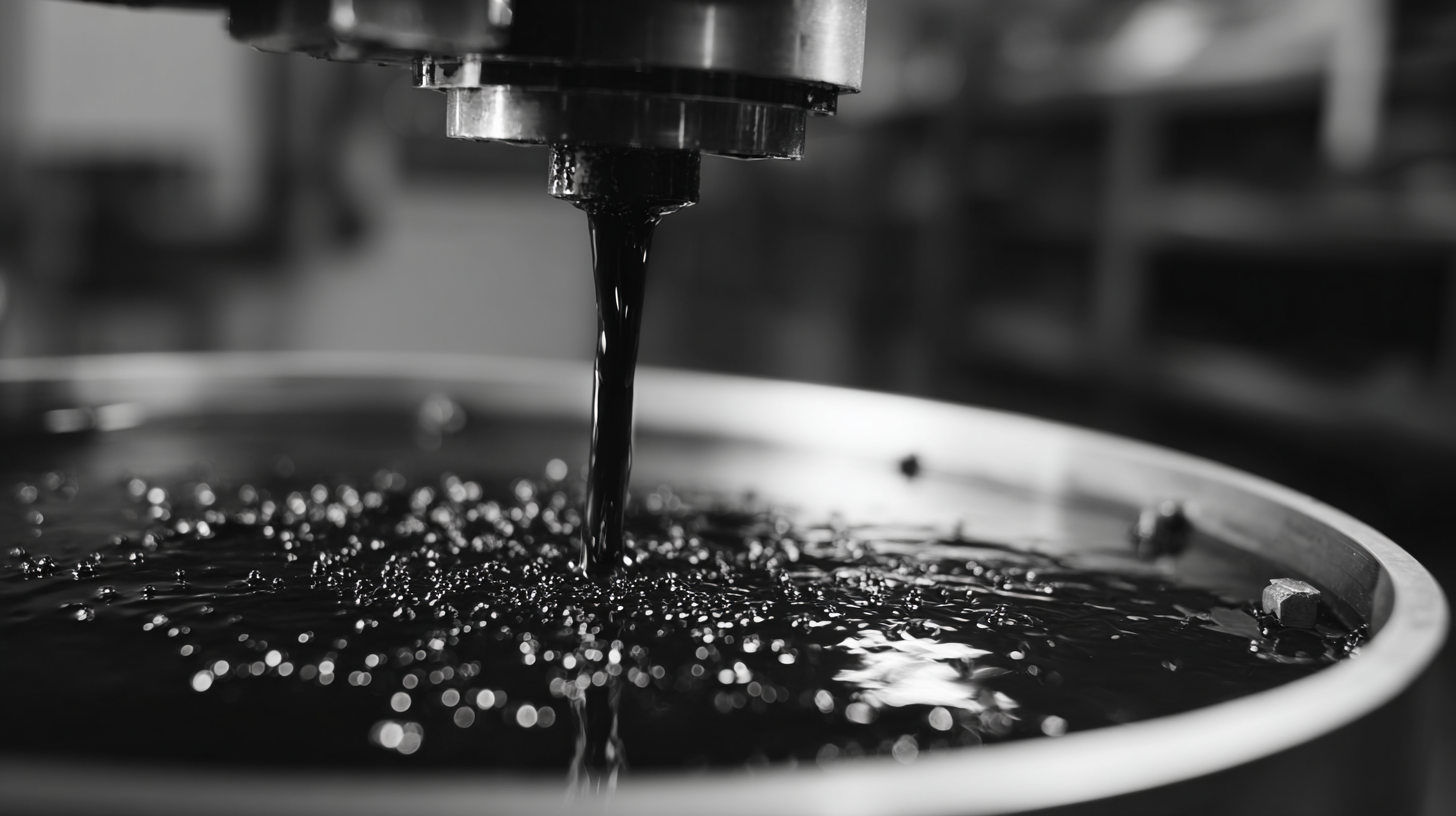
And don’t forget, how you handle the adhesives makes a big difference too. Always make sure to keep the containers tightly sealed when you’re not using them to prevent moisture from sneaking in. I’ve read that leaving hot melt adhesives exposed to air for too long can cause oxidation, which basically weakens how well they bond — not something you want, obviously. Plus, routinely cleaning your equipment and sticking to the recommended nozzles can really help keep everything in top shape and make your labeling process smoother. If you follow these simple tips, your hot melt adhesives will work like a charm, giving you reliable and flawless labels every time.
Innovative Labeling Techniques Enhanced by Hot Melt Adhesives
You know, hot melt adhesives have really changed the game when it comes to labeling. They've introduced some pretty cool techniques that not only boost efficiency but also make labels look better on the shelf. As brands try harder to make their products stand out, picking the right adhesive becomes more important than ever. Hot melts are great because they stick really well and set quickly, so labels stay put no matter what. That means your product's branding gets more visibility and stays durable.
At events like Labelexpo Europe, companies are actually showing off how they're using these adhesives in smarter, more sustainable ways. Folks are embedding hot-melt tech into their workflows, which helps speed things up and also tackles environmental worries. It’s pretty exciting because it hints that the future of labeling will be all about clever materials and processes that not only meet the needs of the packaging world but also keep things eco-friendly. With all these new developments, it’s clear that hot melt adhesives are only going to become more vital in crafting standout labels—and that’s pretty cool, don’t you think?
Ultimate Guide to Using Label Hot Melt Adhesive for Perfect Labeling Solutions - Innovative Labeling Techniques Enhanced by Hot Melt Adhesives
| Label Type | Adhesive Type | Temperature Resistance (°C) | Application Method | Ideal Substrate |
| Paper Labels | EVA Hot Melt | -40 to 70 | Machine Application | Cardboard, Wood |
| Plastic Labels | Polyolefin Hot Melt | -30 to 90 | Handheld Applicator | Glass, Metal |
| Weatherproof Labels | Modified Hot Melt | -40 to 100 | Automatic Labelling Machine | Plastic, Metal |
| Freezer Labels | Specialty Hot Melt | -50 to 70 | Direct Application | Polyethylene, Cardboard |
| Tamper-Proof Labels | High Tack Hot Melt | -20 to 80 | In-Line Applicator | Glass, Metal |
FAQS
: Hot melt adhesives are known for their rapid bonding capability, cooling quickly and creating a strong bond within seconds, making them ideal for high-speed production lines.
To optimize hot melt adhesive use, the surfaces should be clean and dry before application, which can enhance bond strength and label longevity.
Hot melt adhesives are versatile and can be used on a wide range of substrates, including plastic, glass, and paper.
The food and beverage sector and consumer goods manufacturing are two key industries that benefit significantly from hot melt adhesive solutions.
They provide a robust solution for securely adhering labels to containers, even in moist conditions, and allow for high-speed production lines without compromising label quality.
Hot melt adhesives should be stored in a cool, dry place, away from direct sunlight and humidity, ideally at temperatures between 60°F and 80°F (15°C to 27°C).
Proper handling, such as keeping adhesives tightly sealed when not in use and regularly cleaning application equipment, can prevent moisture absorption and oxidation, ensuring optimal adhesive performance.
Approximately 30% of adhesive failures can be attributed to improper storage conditions, highlighting the importance of adhering to recommended storage practices.
The flexibility of hot melt adhesives allows them to accommodate various materials, helping manufacturers create customized labeling solutions tailored to their target audience.
Exposing hot melt adhesives to air for too long can lead to oxidation, which reduces bonding strength and overall efficacy.
Conclusion
In today’s really competitive market, using Label Hot Melt Adhesive can make a huge difference in how you approach labeling across different industries. These adhesives come with a bunch of advantages—like strong bonding, quick setting times, and plenty of versatility—making them perfect for all kinds of applications. What really sets hot melt adhesives apart are their ability to stick well to different materials and stand up against environmental factors. That’s super important when you want your labels to stay put and look good, no matter what.
Industries like packaging, pharma, and consumer goods are turning to Label Hot Melt Adhesives more and more because they’re reliable and efficient. Of course, there are some common hurdles with storage and handling, but if you follow best practices, things can run smoothly and performance will stay top-notch. Plus, thanks to these adhesives, new, innovative labeling techniques are popping up—helping cut costs and boost efficiency all at once. Over here at Foshan Nan Pao Advanced Materials Co., Ltd., we’re dedicated to providing top-quality hot melt adhesives that are tailored to meet the specific needs of those working in labeling. We’re all about helping you get the job done better and easier!”