Leave Your Message
0%

In today’s really competitive world, it’s super important to have a good understanding of the different types of factories out there. Tom Anderson, a manufacturing expert I came across, once said, “Choosing the right factory can seriously make or break your entire business strategy.” And honestly, that hits home—because the kind of factory you pick can totally impact how efficiently you produce and the quality of your products.

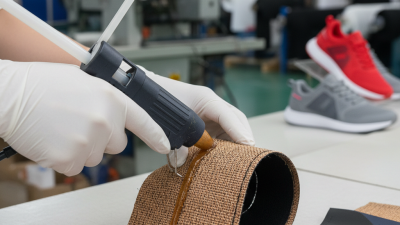
Factories come in all shapes and sizes. Take, for example, a hot melt adhesive factory. These places specialize in making specific types of Adhesives, so they need to find just the right balance between precision and speed to keep up with market demand. Of course, there are always hurdles—like figuring out how to optimize workflows or control costs—that keep things interesting.

It’s also good to step back and think about how factories are actually run. Many managers might not realize how much advanced automation could boost their operations. Or they might overlook how much investing in employee training can really make a difference in productivity. Sometimes, just embracing some fresh ideas and filling in those gaps can lead to some seriously meaningful improvements for any factory.
Top 10 Factory Types You Need to Know About?

Understanding the Concept of Factory Types

Understanding different types of factories is essential in today’s manufacturing world. Factories can vary greatly in purpose and design. Each type serves distinct functions, affecting efficiency and output.

One common type is the assembly line factory. Here, products are made through a series of workstations. Workers perform specific tasks repeatedly. This structure can lead to high productivity. However, it may also encourage monotonous work. There’s a risk of burnout.

Another example is the batch production factory. This type produces goods in groups or batches. It allows for variety in products but may lack the efficiency of continuous production.

Flexibility is vital for any factory. Facilities must adapt to market changes. Some factories struggle with this adaptability. They rely on outdated processes. Innovations often fall by the wayside. Embracing new techniques is crucial. A factory's success hinges on its ability to evolve. Understanding these types helps in navigating the complexities of production and industry demands.

The Role of Manufacturing in Global Economy

Manufacturing plays a crucial role in the global economy. It drives job creation and fosters innovation. Factories produce everything from textiles to technology. Each type of factory has a unique contribution. They adapt to local needs and skills. This flexibility is key in today's fast-paced market.

However, challenges persist. Many factories struggle with sustainability. They face pressure to reduce waste and emissions. Production processes can be resource-intensive. Balancing efficiency with environmental responsibility is tough. Some factories are slow to innovate, risking their competitiveness.

The landscape is changing rapidly. New technologies reshape manufacturing. Automation is on the rise, transforming how factories operate. Some workers may find themselves displaced. Yet, new jobs will also emerge, requiring different skills. This transition demands careful planning and training programs. The future of manufacturing is not just about production; it’s about adaptation and growth.

Overview of the Top Factory Types

Factories come in various shapes and sizes, each designed for specific needs. Manufacturing plants produce goods in bulk. These can range from assembly lines to specialized workshops. Some factories focus on textiles, while others might produce electronics. The environment of each factory can differ significantly. This affects how workers interact with machines and each other.

Another type includes food processing facilities. They ensure that food products are safe and ready for consumption. In these spaces, cleanliness is paramount. Operations must be quick to maintain freshness. However, managing waste can be challenging. Factories also vary in automation levels. Some rely heavily on robotics, while others use manual labor. Each method impacts efficiency and employee satisfaction.

Moreover, we find assembly factories. They bring together parts to create finished products. This process often requires skilled labor and coordination. Each station in an assembly line has a unique role. Mistakes at any point can slow down production. Reflection on these errors is crucial for improvement. Understanding the different types of factories helps businesses select the right model for their operations.

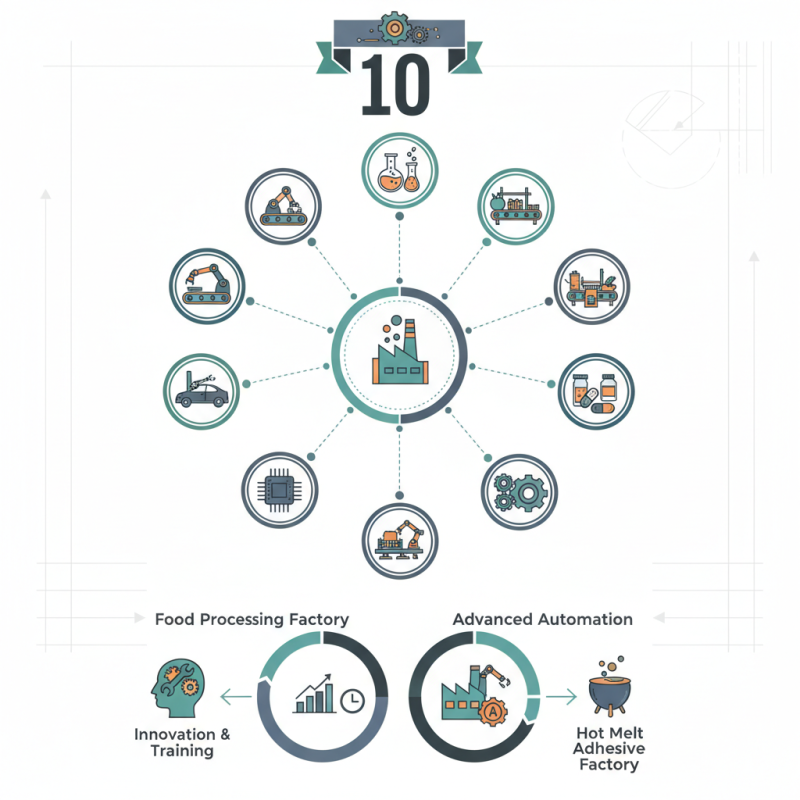
Top 10 Factory Types You Need to Know About

Factory Type Description Key Features Common Products
Assembly Line Factory Focused on mass production of goods through a series of automated assembly lines. High efficiency, specialization in tasks, reduced labor costs. Automobiles, electronics, consumer goods.
Batch Production Factory Produces goods in specific batches, allowing for variation in products and customization. Flexibility, shorter production runs, customization options. Baked goods, clothing, furniture.
Continuous Process Factory Focused on continuous production processes, mainly within the chemical or oil industries. Constant movement, high output, process control. Petrochemicals, pharmaceuticals, and food processing.
Custom Manufacturing Factory Produces unique items based on specific client requirements. Customization, skilled labor, higher prices. Specialized machinery, bespoke furniture, custom electronics.
Light Manufacturing Factory Involves the production of smaller goods that require less heavy machinery. Lower capital investment, easier to scale. Apparel, toys, small electronics.
Heavy Manufacturing Factory Manufactures large and heavy items, often requiring significant machinery and equipment. High setup cost, significant infrastructure, specialized machinery. Aircraft, ships, heavy machinery.
Textile Factory Focuses on converting raw materials like cotton and wool into finished textile products. Mass production, automation, and dyeing processes. Clothes, bed linens, industrial textiles.
Food Processing Factory Involves processing raw food materials into consumable products. Hygienic standards, preservation techniques, bulk production. Packaged food, canned goods, beverages.
Electronics Factory Manufactures electronic components and devices, usually involving intricate assembly processes. High-tech equipment, cleanroom standards, precision assembly. Computers, smartphones, semiconductors.
Plastic Injection Molding Factory Produces plastic products through the injection molding process, suitable for mass production. Rapid production, high precision, minimal waste. Containers, toys, automotive parts.

Assembly Line Factories: Efficient Production Units

Assembly line factories play a crucial role in modern manufacturing. They streamline production processes with a focus on efficiency. According to a recent industry report, assembly lines can increase productivity by up to 50% compared to traditional methods. This significant boost derives from the division of labor and coordination among workers.

In an assembly line setup, each worker performs a specific task repeatedly. This specialization can lead to faster production cycles. However, it raises concerns about job satisfaction. Workers may feel like cogs in a machine. This can affect morale over time. Not everyone thrives in such a repetitive environment.

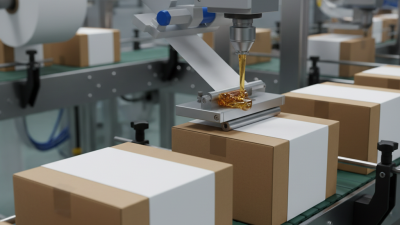
The Hot Glue Factory exemplifies the complexities of assembly lines. It relies on efficient adhesive application for product assembly. While the factory reduces costs, it may compromise on quality if not managed properly. Inconsistent adhesive application can lead to defective products. Regular audits and training can alleviate these issues. Ultimately, while assembly line factories are essential, they must address worker well-being and quality control.

Job Shop Factories: Customization and Flexibility

Job shop factories are unique in their approach to manufacturing. They focus on customization and flexibility, which is crucial for meeting various client demands. In these environments, each project is distinct, requiring different setups and processes. Machines may be adjusted, and operators need diverse skills. This variety can enhance creativity but can also lead to inefficiencies. Each job might take longer than expected, as changes and adjustments are necessary.

The workforce in a job shop is often highly skilled. Employees learn to adapt to new tasks frequently. This can be both exciting and exhausting. The constantly shifting nature of projects allows for innovation and personal development. However, the lack of repetition can create stress and uncertainty. Keeping track of different orders is also challenging. Poor organization can lead to missed deadlines or errors in production, which are frustrating for everyone involved.

Clients appreciate the tailored solutions offered by job shops. They enjoy the sense of partnership and collaboration. However, the high variability means jobs may not always run smoothly. The potential for miscommunication exists, leading to misunderstandings. Flexibility is a double-edged sword. While it fosters uniqueness, it also requires constant attention to detail and resource management. Balancing these aspects is an ongoing challenge in the world of job shop factories.

Continuous Flow Factories: Constant Operation Models

Continuous flow factories are essential in various industries. These factories operate with a constant output, maintaining efficiency throughout the production cycle. One notable example is the Adhesive Factory. This type of factory streamlines operations, minimizing downtime. Data from industry reports indicate that manufacturers using continuous flow can increase productivity by 25%.

In a continuous flow model, raw materials move seamlessly through the production line. Each step is crucial. A delay in one area can disrupt the entire process. Reports show that over 30% of manufacturers faced efficiency issues due to bottlenecks. Regular evaluations are vital. Continuous improvement is necessary to enhance output. Some factories might overlook maintenance schedules, leading to unexpected halts.

Another key aspect is staffing. Workers must be trained on automated systems. A skilled workforce is essential to manage these operations effectively. According to recent surveys, 40% of manufacturers indicated challenges in finding trained personnel. This gap can hinder the full potential of continuous flow factories. Investing in employee training can bridge this divide and enhance future growth.

Batch Production Factories: Managing Variable Demand

Batch production factories play a crucial role in managing variable demand. This type of factory adapts its output based on changing customer needs. For instance, a Glue Factory may experience fluctuations in orders for different types of adhesives. During peak seasons, production ramps up to meet high demand. Conversely, during slow periods, production levels decrease to avoid excess inventory.

Flexibilityis the heart of batch production. Workers must be skilled in multiple tasks. They often switch from one product to another. This constant change can be both engaging and demanding. Mistakes can happen during this transition. A Glue Factory, for example, might accidentally mix formulations, leading to defective products. Such errors require quick corrective actions, which can strain resources.

Efficient planning is essential. Forecasting demand accurately is a challenge. Tools and software help, but they are not foolproof. A glue factory needs to stay agile, constantly reviewing market trends. The pressure to balance efficiency and quality can be overwhelming. It's a continuous journey of improvement, with lessons learned along the way.

Project-Based Factories: Unique and Large-Scale Projects

Project-based factories are specialized entities focused on unique and large-scale projects. They are often tasked with producing customized products. This customization leads to variations in production processes and timelines. Industries like construction and aerospace frequently utilize these factories for their specialized needs.

Data from industry reports indicates that project-based manufacturing can enhance productivity by as much as 20%. However, many factories struggle with the planning stages. A lack of clear project parameters can lead to inefficiencies. Despite these challenges, project-based factories remain essential for handling complex production demands.

An example of this is the Bopp Factory, known for its scale and complexity. Such factories often cater to niche markets. Yet, they face challenges in supply chain management and resource allocation. Ensuring all elements are in sync is difficult. Without proper coordination, project timelines can slip, impacting overall success. Balancing creativity with operational efficiency is crucial in this landscape.

Emerging Trends in Factory Design and Technology

Top 10 Factory Types You Need to Know About?

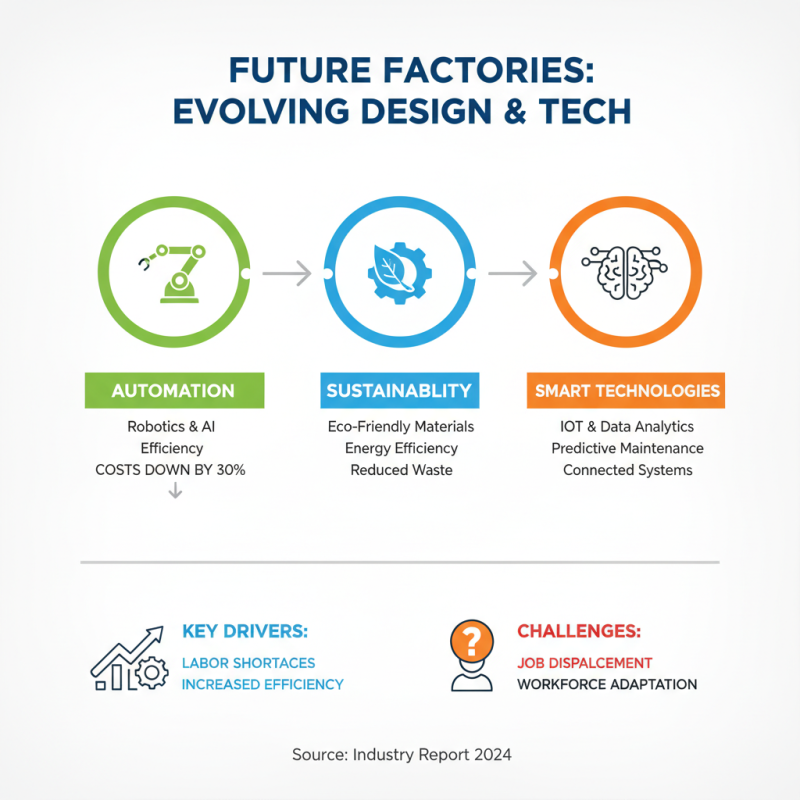
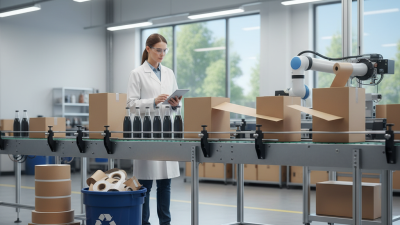
Factory design and technology are evolving rapidly. Emerging trends highlight automation, sustainability, and smart technologies. According to a recent industry report, automation can reduce production costs by up to 30%. This shift is crucial as labor shortages affect many sectors. Factories are now integrating robotics to enhance efficiency. However, this also raises questions about job displacement and workforce adaptation.

Sustainable practices are now a priority. Reports indicate that 70% of manufacturers aim to reduce their carbon footprint in the next five years. Energy-efficient machinery and waste reduction tactics are vital. Yet, achieving true sustainability remains challenging. Some companies struggle to balance profitability with eco-friendly initiatives. The complexity of supply chains adds another layer of difficulty.

Smart technologies like IoT are transforming factories. Real-time data analytics improve decision-making. Machine learning predicts maintenance needs, minimizing downtime. Still, the reliance on technology can be a double-edged sword. Cybersecurity threats increase as factories become more connected. Finding the right balance between innovation and risk management is essential for future success.

FAQS

: What is the main purpose of the product?

: The product aims to enhance daily convenience and improve user experience significantly.

How do I use the product effectively?

Follow the simple instructions provided in the manual. Practice makes it easier to use.

Are there any precautions to take while using the product?

Yes, avoid contact with water and extreme temperatures. Regular maintenance is also recommended.

Can I return the product if I am unsatisfied?

Yes, returns are accepted within a specified period. Ensure the product is unused.

Is there a warranty for the product?

Yes, a limited warranty is provided. It covers defects in materials and workmanship.

How can I get support if I encounter issues?

Support can be reached via email or phone. Be ready to provide your purchase details.

Why might the product not work as expected?

Misuse or improper setup can cause issues. Review the manual to ensure correct usage.

Are there any age restrictions for using the product?

Yes, it's intended for adult use only. Keep it out of reach of children.

What materials are used in the product?

The product is made from durable, high-quality materials. Specifics can be found in the manual.

How often should the product be serviced or maintained?

Regular maintenance is suggested every few months. This helps prolong its lifespan.

Conclusion

The article "Top 10 Factory Types You Need to Know About" explores various factory categories that play a crucial role in the global economy. It begins with an understanding of what factory types are and their significance in manufacturing. The overview includes different types of factories: Assembly Line Factories, known for their efficient production; Job Shop Factories, which offer customization and flexibility; Continuous Flow Factories, operating with a constant output; Batch Production Factories, adept at managing variable demands; and Project-Based Factories, focused on unique, large-scale projects.

Additionally, the article highlights emerging trends in factory design and technology, emphasizing the evolution of manufacturing processes to meet modern challenges. Understanding these factory types is vital for anyone interested in the manufacturing sector, as they represent the diverse methods used to produce goods globally, each with its unique operational strategies and purposes.
Ethan

Ethan

Ethan is a dedicated marketing professional at Foshan Nanbao Gaosheng High-tech Materials Co., Ltd., where he leverages his deep expertise in the company's innovative products to drive effective communication strategies. With a strong background in the high-tech materials industry, Ethan possesses......
Previous Understanding Footwear Hot Melt Adhesives and Their Application Techniques