Leave Your Message
- Phone
- E-mail
- Whatsapp

- WeCaht

You know, in the fast-paced world of cars and everything automotive, every small part really matters when it comes to safety and performance. One thing that often flies under the radar but is actually pretty important is Tire Label Glue. This special glue isn’t just about holding labels onto tires—it's also about making sure companies stay compliant with safety rules and helping brands stand out on the shelves.
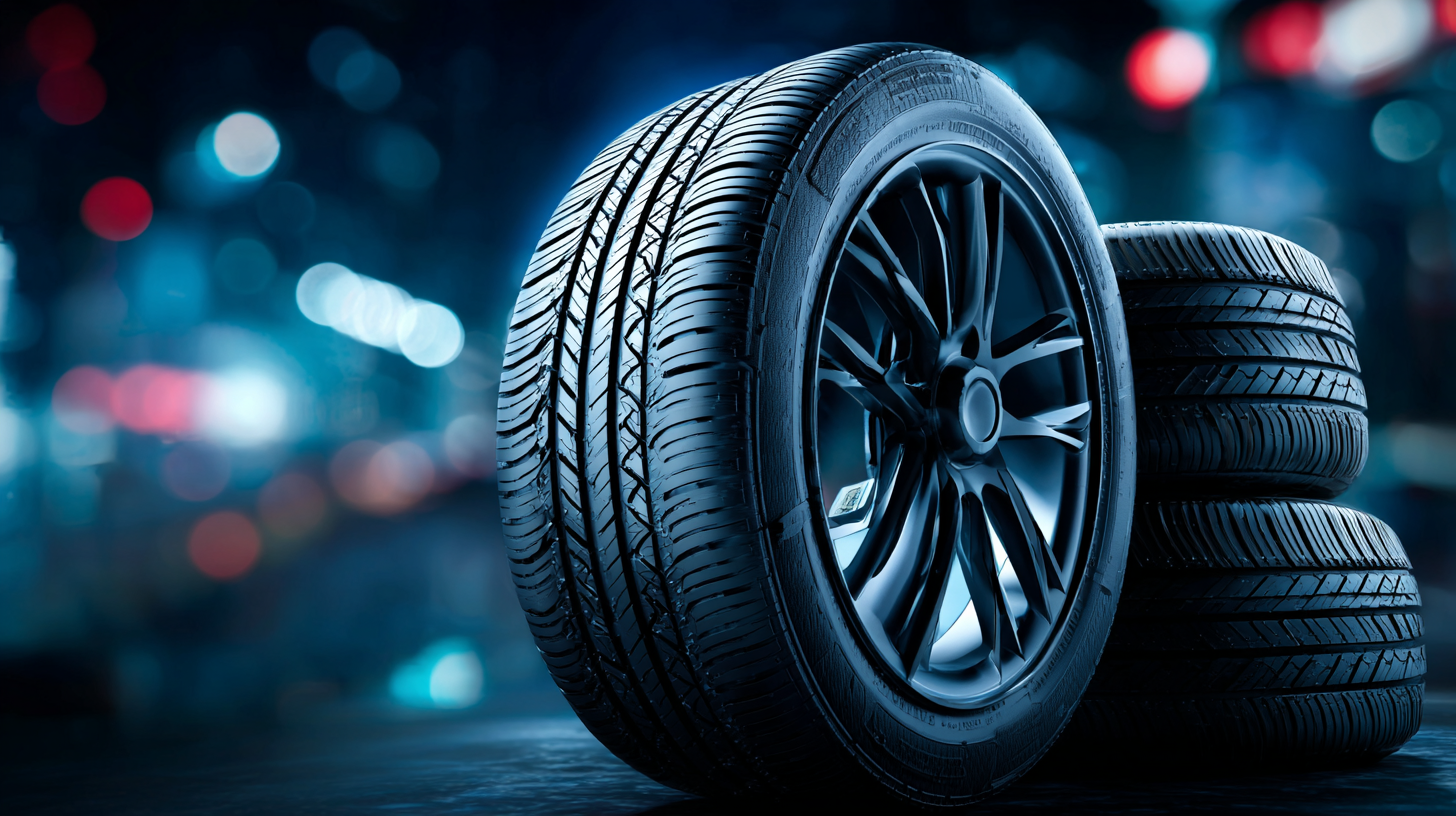
At Foshan Nan Pao Advanced Materials Co., Ltd., we truly get how vital top-quality hot melt Adhesives are across different industries, including automotive stuff. Being part of theNanPao group, we take pride in blending solid R&D with real-world market insights to create products that stand out. That’s why we put a lot of effort into developing a variety of hot melt adhesives—like our Tire Label Glue—that serve sectors like sanitary products, footwear, and, of course, labels.
In this blog, I want to share why Tire Label Glue really is a must-have in the automotive industry and how it impacts both product performance and consumer safety.
You know, tire label glue might not seem like a big deal, but it actually plays a pretty important role in keeping us safe on the road. Basically, it makes sure all the vital info about a tire—like specs and safety ratings—is securely stuck on. This info isn’t just for show; it helps you, the driver, make smarter choices, and it also helps us stay compliant with regulations that require clear labels for safety's sake. Using good quality adhesive is key here—cheap, low-quality glues can cause labels to peel off, which means you might be missing important safety info exactly when you need it most.
When you're picking out tire label glue, don’t forget to think about its durability. Is it resistant to heat, moisture, and UV rays? Because those environmental factors can really mess with the glue and cause labels to fall off mid-drive. You want something that sticks well—that way, your labels stay put and everything stays safe.
Some tips:
- Go for adhesives made specifically for automotive use. That way, you know they’ll work with the materials in your tires.
- Make sure to apply the glue on a clean, dry surface—that’s the best way to get a solid stick.
- And hey, don’t forget to give your tires a quick check now and then. If the labels start to look worn or damaged, just replace them to keep things up to standard and safe.
In the tire manufacturing industry, effective labeling plays a crucial role in ensuring durability and reliability. Hot melt adhesives, such as HM-261D, are emerging as the preferred solution for producing strong and resilient tire labels. This pressure-sensitive adhesive offers impressive tack and high peel strength, making it ideal for bonding with mildly rough surfaces and materials that are traditionally difficult to adhere to.
Industry reports underscore the importance of label durability, as worn or detached labels can lead to compliance issues and negatively impact consumer trust. For instance, research from the Adhesive and Sealant Council indicates that adhesives that maintain their integrity over time can reduce overall production costs by minimizing waste and rework, ultimately leading to increased efficiency. With HM-261D's excellent resistance to low temperatures and aging, manufacturers can be assured that their tire labels will withstand harsh environmental conditions, maintaining both their function and appearance throughout the product lifecycle.
Furthermore, HM-261D's outstanding wetting performance enhances the bonding process, ensuring effective adhesion on challenging substrates. With over 60 years of industry experience and certifications from reputable organizations such as IAF, CNAS, CTI, and SGS, this adhesive not only meets stringent quality standards but also provides a tested solution for businesses aiming to enhance their labeling processes. As industry demands grow and the need for long-lasting labels becomes more pressing, investing in high-performance adhesives like HM-261D could be the key to optimizing tire labeling practices.
: Tire label glue ensures that essential information about tire specifications and safety ratings is securely affixed to tires, aiding consumers in making informed choices and complying with regulatory requirements.
High-quality adhesive is crucial because inferior products can lead to labels peeling off, which risks the unavailability of vital safety information when needed.
When selecting tire label glue, it's important to consider the adhesive's durability and resistance to environmental factors such as heat, moisture, and UV exposure.
Consumers can maintain tire label visibility by regularly inspecting labels for wear and damage and replacing them if necessary to ensure compliance with safety standards.
Proper labeling significantly enhances safety and overall performance, with studies showing that approximately 23% of tire failures are attributed to inadequate labeling information.
According to a report, 78% of consumers consider label information when choosing tires, indicating its influence on purchasing decisions.
The integration of advanced materials, such as iron-based thermoplastic elastomers like solution-styrene butadiene rubber, enhances the bonding strength and environmental resistance of tire label glue.
Foshan Nan Pao specializes in developing innovative hot melt adhesive solutions for demanding applications, producing adhesives that meet stringent automotive specifications.
Selecting the appropriate tire label glue is an investment in quality and performance, reflecting the brand's commitment to excellence in the automotive industry.
You know, Tire Label Glue might not be the first thing that comes to mind when talking about cars, but it actually plays a pretty big role in making sure everything’s up to snuff safety-wise. When you really get why labeling matters, it’s clear how much it can impact tire performance — good labels mean better safety and more trust from consumers. Using high-quality Tire Label Glue isn’t just about ticking boxes for regulations; it also helps build a brand’s reputation by showing you genuinely care about quality and safety.
At Foshan Nan Pao Advanced Materials Co., Ltd., we’re all about crafting top-notch hot melt adhesives — including our Tire Label Glue. Our team pushing for innovation means we’re always improving our formulas, giving manufacturers options that don’t just look good but also work like a charm. When companies pick the right adhesive and follow the best practices, their tire labels stay on tight and stay clear, which honestly just boosts overall vehicle safety and performance. It’s all about making sure the little details count, right?