In today’s fast-moving manufacturing world, you really can’t overlook how important adhesive techniques are. Honestly, the latest market reports say that the global adhesive industry could hit around $73 billion by 2024—that’s a huge number—and it’s mainly driven by the increasing demand from sectors like sanitary products and footwear. Foshan Nan Pao Advanced Materials Co., Ltd., a major player when it comes to Hot Melt Adhesives, really highlights how essential adhesives are for boosting product performance and making things last longer. They’re big on research and development, mixing the latest tech and expert know-how to create a wide range of hot melt adhesives that are just right for their customers’ specific needs. As industries keep pushing the boundaries with new adhesive applications, getting a solid grasp on these techniques definitely becomes key if you’re aiming for top quality and reliability in your projects.
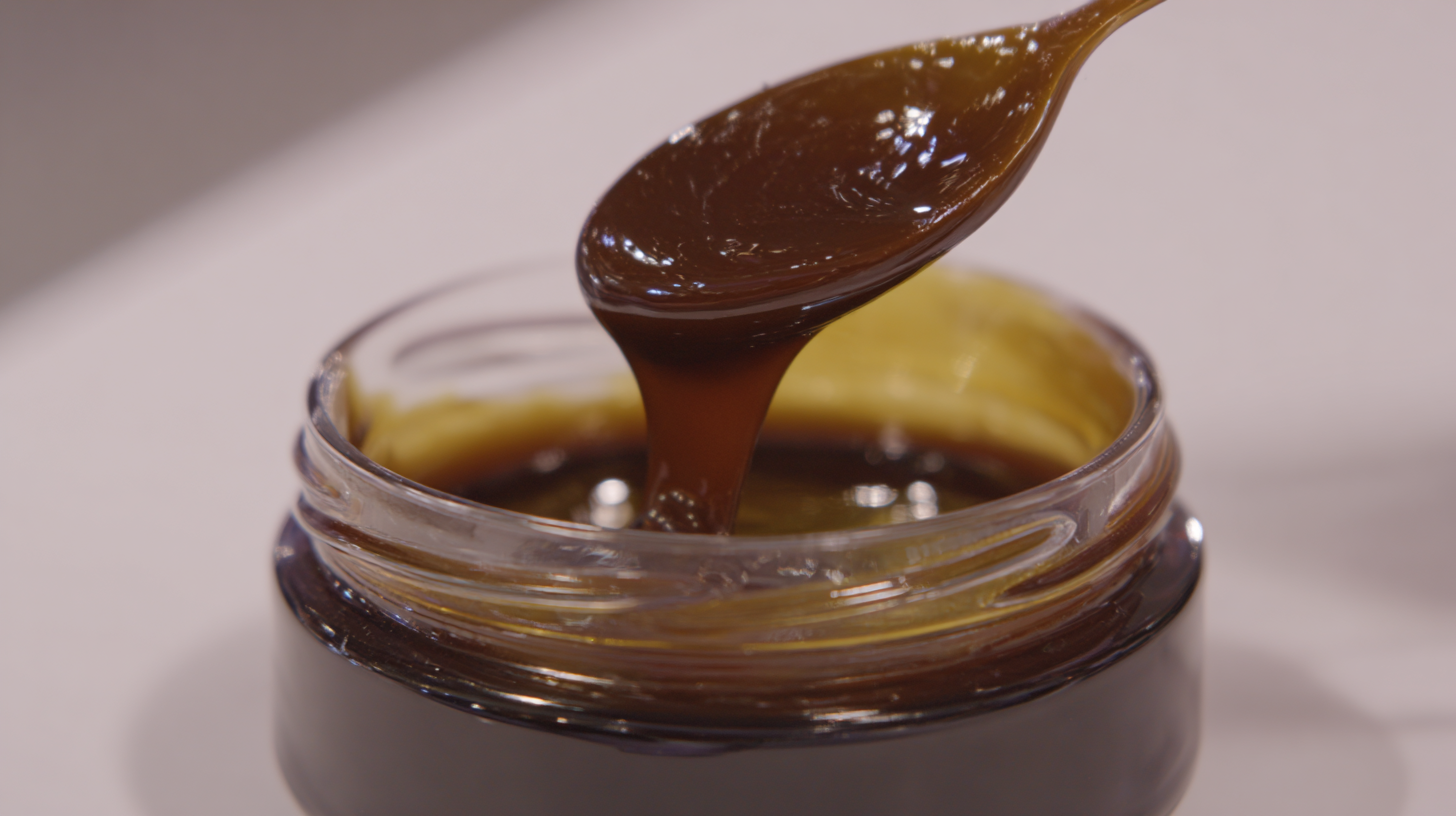
Understanding the Science Behind Adhesives: Types and Applications Explained
Adhesives are pretty much essential in all sorts of projects—whether you're fixing something around the house or working on a DIY craft. But honestly, understanding a bit about how they work can make a big difference in how well they do their job. There are quite a few types of adhesives, each designed for specific materials and tasks. For example, epoxy is super strong and durable, so it’s perfect when you need a tough bond—think car repairs or building stuff that needs to last. On the flip side, super Glue (or cyanoacrylate) is great for quick fixes on lighter things like ceramics or plastics because it bonds really fast and holds tight. Knowing these differences is pretty important when you're picking the right adhesive for your project, so things turn out just right.
Also, how you actually apply the glue matters a ton. Things like cleaning and roughening up surfaces beforehand, giving the glue enough time to cure, and even the environment—like temperature and humidity—can all affect how long the bond lasts. For instance, some adhesives do their best when the surfaces are clean and slightly textured, while others might need a bit of heat or pressure to set properly. If you get a handle on the different types and how to use them correctly, your projects will not only stick well but also stand the test of time. Trust me, a little knowledge goes a long way!
Essential Tools for Adhesive Application: Choosing the Right Equipment
When you're diving into any kind of glue job, picking the right tools can really make your life easier and help you get better results. A good adhesive applicator is a must-have—whether you're spraying, brushing, or rolling on glue. Each method is better suited for different kinds of adhesives and surfaces, so understanding when to use what is key. For example, spray applicators are great if you need to cover a big area fast, but a brush gives you more control for those detailed touches.
Here’s a quick tip: always test the adhesive on a small patch first—that way, you know it’s compatible with your materials before going all in. Also, using a caulk gun for thicker adhesives can really make things easier and help keep the mess to a minimum.
Another handy tool is a utility knife—to trim away excess glue or hangings. Just make sure your blade is sharp, because that helps you make clean cuts which look way better and keep your project looking sharp. Oh, and don’t forget to wear gloves and goggles sometimes! Some adhesives can be pretty harsh on your skin or eyes, so better safe than sorry.
One last thing—try to keep your workspace tidy and have all your tools close at hand. It saves you from unnecessary interruptions and makes the whole process smoother. Trust me, it makes a big difference when you're in the zone and your project turns out just right.
Step-by-Step Guide to Surface Preparation for Optimal Adhesion
 When you're trying to get the best adhesion for your projects, surface prep honestly can't be overlooked. Doing a good job cleaning and prepping the surface really makes a difference—think of it as laying a solid foundation. If you skip this step, contaminants like dust or grease can mess things up and weaken the bond. In fact, studies show that dirt and oils can cut adhesive strength by up to half! So, taking the time to prepare the surface properly, maybe by sanding or priming if needed, is super important.
For specific industries like sanitary products or shoes, working with trusted adhesives from companies like Foshan Nan Pao Advanced Materials Co., Ltd. ensures you get the right formula for your materials. It might sound like a lot of effort, but the payoff is huge—better, stronger bonds that hold up over time.
And hey, according to some recent research by the Adhesive and Sealant Council, doing the right surface prep can boost the adhesive’s performance quite a bit—sometimes over 30%! So, really, nailing that prep phase sets you up for success. When you give this step the attention it deserves, your projects are more likely to turn out the way you want—strong, reliable, and durable.
Common Adhesive Mistakes: Errors to Avoid for Stronger Bonds
When you're working with adhesives, avoiding the usual mistakes is key if you want your bonds to be strong and last a long time. Honestly, one of the biggest errors I see folks make is not carefully reading the instructions—that can really mess things up and weaken the adhesion. Plus, a lot of people don’t realize how much environmental stuff like temperature and humidity can mess with your glue’s performance. I read somewhere that about 30% of DIY projects fail because people overlook these small but important details.
Another common slip-up? Picking the wrong glue for the job. It’s surprisingly easy to grab the wrong type, especially when you're in a rush. For example, using a super quick-setting glue on heavy materials often leads to it failing under pressure. Industry experts seriously recommend picking adhesives that are specially made for the material you're working with. Using the wrong one can cause structural headaches down the line. A recent survey even found that roughly 40% of folks have had issues because they used the wrong adhesive — and that kind of mistake can be frustrating, not to mention costly, since you might have to redo the whole thing.
And don't forget, safety should always come first. It’s crazy how common accidents are—like mistaking makeup glue for eye drops, which can be really dangerous. Keeping adhesives properly labeled and stored away from kids or pets can save you from some serious mishaps. So, if you keep these common mistakes in mind, your projects will turn out better, and you’ll stay safe too.
Innovative Adhesive Techniques: Trends and Technologies in the Industry
The adhesive industry is changing pretty quickly these days, and keeping up with new tech is more important than ever if you want your projects to turn out just right. Did you see that recent report from MarketsandMarkets? It says the global adhesive market could hit around $53 billion by 2025 — and a lot of that growth is thanks to advances in how these glues are formulated and applied. One exciting trend is these smart adhesives that can actually react to the environment. Pretty wild, right? They not only stick better but also come with cool features like self-healing and lasting longer.

On top of that, there's a big push towards making adhesives more eco-friendly. According to a study by Smithers Pira, we’re seeing a solid growth in bio-based and waterborne adhesives — expected to grow over 5% annually through 2026. That’s a clear sign that manufacturers are really stepping up their game to meet stricter regulations and, of course, what consumers want: greener, safer options. As all these trends roll out, both businesses and DIY folks are spoiled for choice when it comes to finding the right adhesive for any job — it’s like mastering the art of sticking stuff together, but way more exciting!
Measuring Adhesive Performance: Key Metrics and Testing Standards to Know
When you're working with adhesives, it’s pretty important to get a good grasp of the key metrics and testing standards—this can really make or break your project’s success. One of the main things to look at is tensile strength, which basically shows how much pulling force an adhesive can handle before it gives out. You’ll usually see this measured in pounds per square inch (psi). This helps figure out if an adhesive is a good fit for whatever materials you’re using. And don’t forget about peel strength—it’s another super important metric, especially for understanding how well the adhesive holds up when forces try to slide or shear it apart. Doing proper testing in a controlled setting gives you a clearer idea of how different adhesives stack up against each other.
On top of that, standards like ASTM D1002 and ISO 4587 are actually pretty handy—they give you a solid framework for testing adhesive performance. These guidelines tell you how to evaluate adhesives under consistent conditions, making comparisons way more reliable. Sticking to these established standards helps ensure that what you choose will stand up for the job in terms of durability and dependability. Ultimately, knowing these metrics and following the right testing protocols doesn’t just lead to better results—it makes choosing the right adhesive a whole lot easier, tailored to whatever project you’ve got going on.
Ultimate Guide to Mastering Adhesive Techniques for Your Projects - Measuring Adhesive Performance: Key Metrics and Testing Standards to Know
| Test Method | Key Metrics | Standard Reference | Typical Values |
| Lap Shear Test | Shear Strength (psi) | ASTM D1002 | 2000 - 4000 |
| Tensile Test | Tensile Strength (psi) | ASTM D638 | 1000 - 2500 |
| Peel Strength Test | Peel Strength (lb/in) | ASTM D903 | 5 - 15 |
| Impact Resistance Test | Impact Energy (J) | ASTM D4226 | 10 - 30 |
| Thermal Resistance Test | Temperature Resistance (°C) | ASTM C796 | -20 to +120 |
FAQS
: Surface preparation is crucial as it eliminates contaminants that could compromise adhesion, ensuring that adhesives perform optimally.
Contaminants can reduce adhesive bond strength by as much as 50%, making thorough cleaning essential.
Techniques such as sanding or priming can be used to prepare surfaces, significantly enhancing adhesive performance.
Environmental factors like temperature and humidity can significantly impact the effectiveness of adhesives, with neglecting these details contributing to project failures.
A prevalent mistake is using the wrong type of adhesive for different materials, which can lead to bonding failures and structural issues.
Key metrics include tensile strength, which measures the ability to withstand pulling forces, and peel strength, which assesses the adhesive's resistance to shear forces.
These are testing standards that provide methodologies for evaluating the bonding capabilities of adhesive formulations under controlled conditions.
Using the incorrect adhesive can lead to bonding failures, resulting in costly repairs and rework.
Safety is essential to prevent accidents, such as misusing adhesives, which can lead to serious health issues.
Effective surface preparation can enhance adhesive performance by over 30%, setting a strong foundation for successful bonding.
Conclusion
Hey there! If you’re diving into adhesives and want to get it just right, our 'Ultimate Guide to Mastering Adhesive Techniques for Your Projects' has got your back. We start off by breaking down the science behind different types of glues and what they're best used for, so you’re not just guessing which one to pick. We also walk you through the essential tools you’ll need—trust me, having the right stuff makes all the difference.
Plus, we go step-by-step on how to prep surfaces properly because, honestly, a good bond starts with good preparation. We highlight some common mistakes people make—stuff to watch out for—so your bonds stay strong and last a long time. Oh, and we throw in some cool, innovative techniques and the latest trends in the industry to keep you ahead of the game. Towards the end, we chat about how to measure the performance of your adhesives, so you know you’re getting the quality you want.
At NAN PAO, we’re all about providing top-notch hot melt adhesives for different industries, making sure your projects turn out just as awesome as you envisioned. So, whether you’re a newbie or a pro, we’ve got tips and insights to help you succeed!


