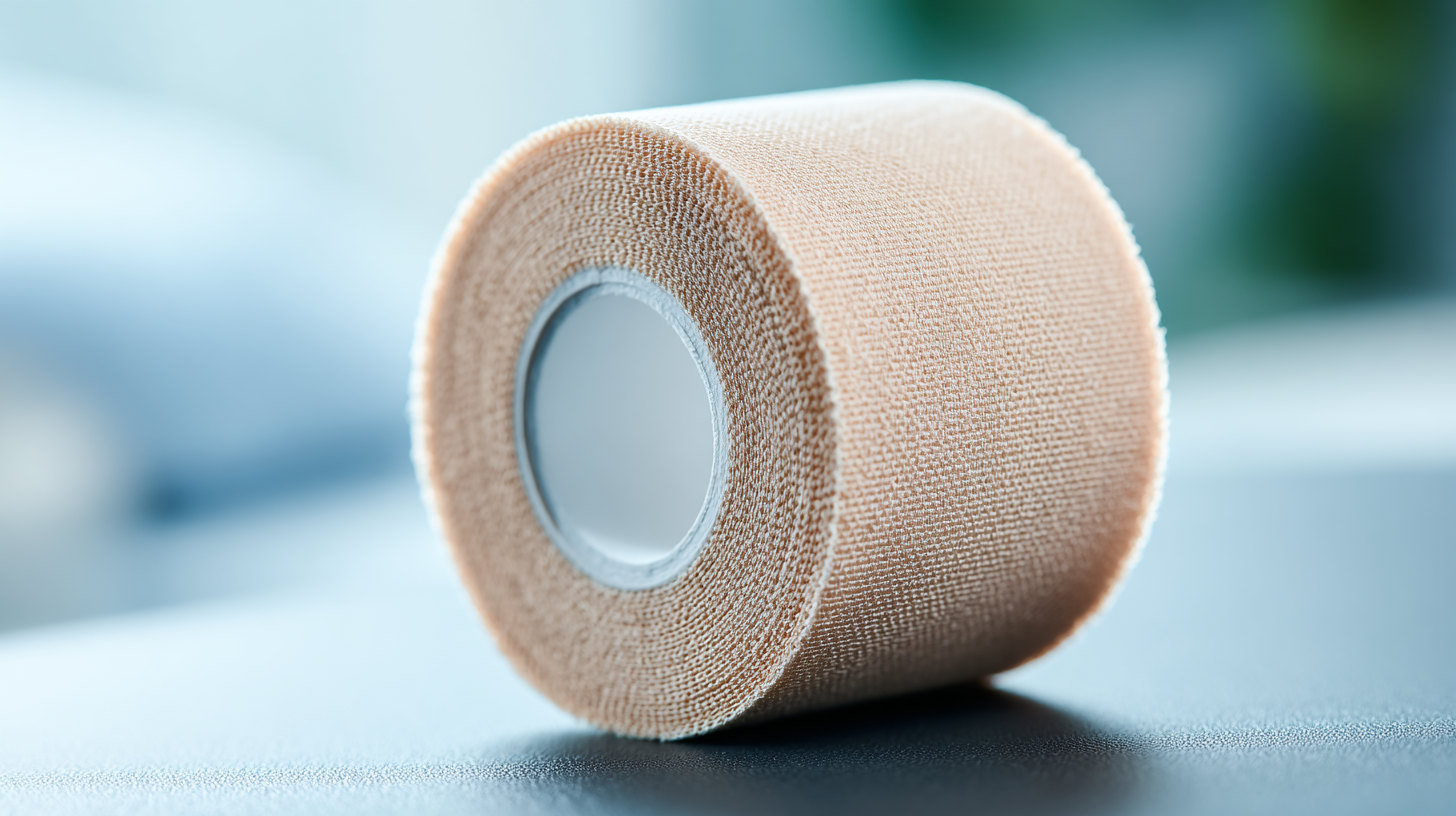
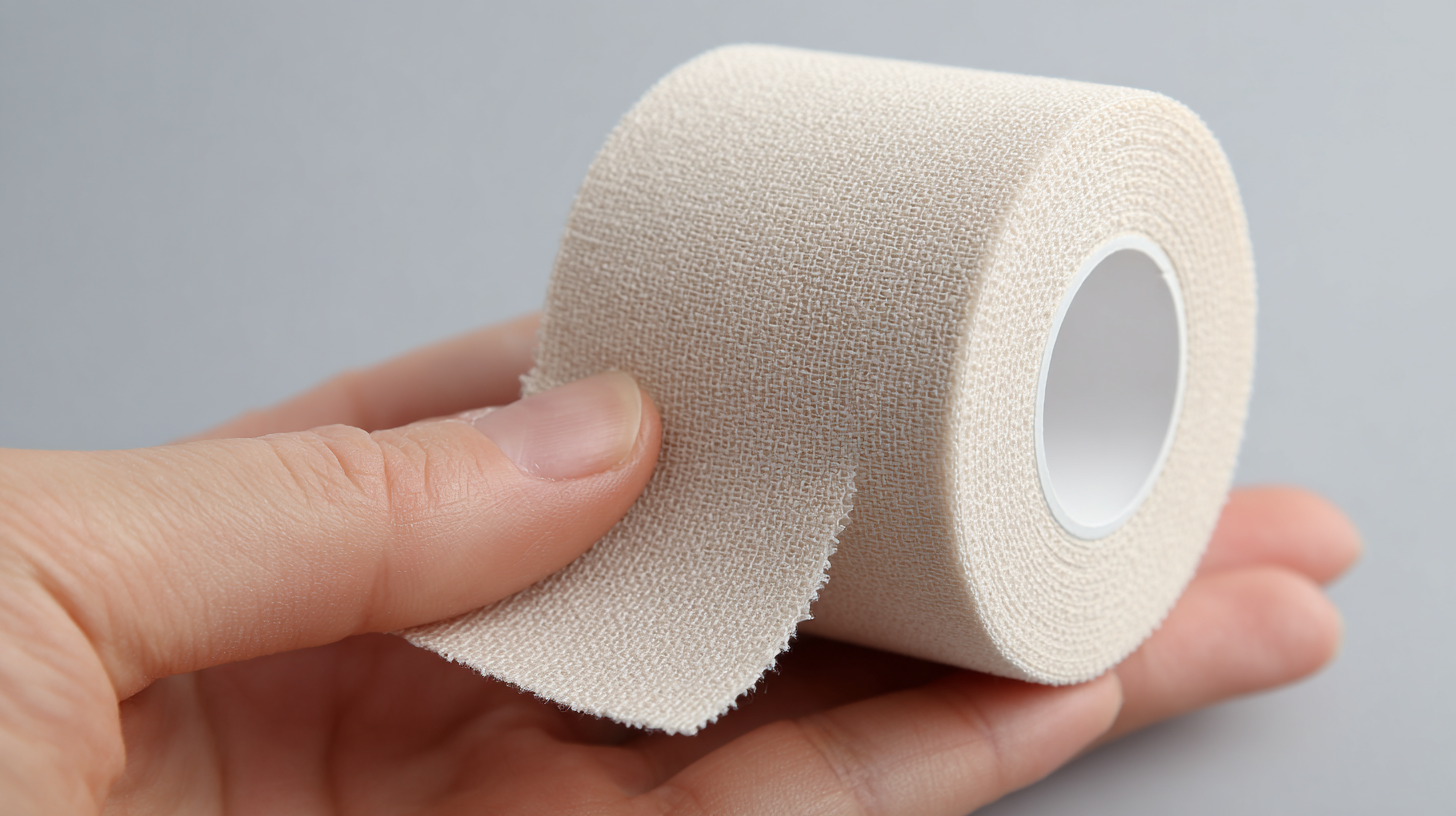
You know, in today's constantly changing healthcare world, there's been a real spike in the demand for top-quality Medical Tape Adhesives. Thanks to new tech advancements and the growing focus on patient comfort, professionals are looking for better solutions.
I read somewhere (from Grand View Research, to be honest) that the global market for Medical Adhesives is expected to hit around$21.5 billion by 2025. That growth is mainly because more people are dealing with chronic diseases or needing surgeries, after all.
Picking the right medical tape adhesive is pretty important—it can really make a difference in how comfortable a patient feels, how well wounds heal, and the overall success of treatment. Oh, and Foshan Nan Pao Advanced Materials Co., Ltd.? They’ve got a pretty wide range of high-performance hot melt adhesives designed specifically for medical use. They’re all about R&D, and with their solid industry experience, NAN PAO makes sure healthcare providers have access to innovative adhesive solutions that suit different situations in all kinds of clinical settings.
Factors to Consider When Selecting Medical Tape Adhesive
Choosing the right medical tape adhesive isn't just about grabbing whatever’s available—it actually depends on a bunch of important factors. First off, what kind of procedure you're dealing with really matters. As noted in the 'Wound Care Market Report 2023' by Research and Markets, around 70% of healthcare pros say that the type of adhesive they use can really influence how well patients heal and their overall outcomes. For example, if you're working with folks with sensitive skin or kids, a softer adhesive might be the way to go. On the flip side, if you're taping dressings in areas with a lot of movement, a stronger adhesive could be necessary to keep everything secure.
Then there's the question of how long the tape's gonna stay on. The 'Clinical Adhesive Performance Study 2023' points out that adhesives meant for quick use, like for surgeries, are quite different from those designed for long-term wear, such as for wounds that take a while to heal. It's also super important to think about where you'll be using the tape—humidity and moisture can really mess with how well it sticks. And don’t forget about skin sensitivities—about a quarter of patients can develop allergic reactions to common adhesives, according to the American Academy of Dermatology. So, taking the time to understand each patient’s specific needs will help you pick the best medical tape adhesive for the job, making everyone a bit more comfortable in the end.
How to Choose the Right Medical Tape Adhesive for Your Needs
| Adhesive Type | Skin Sensitivity | Durability | Application Area | Removal Ease |
| Acrylic Adhesive | Low sensitivity | High durability | Wound dressings, long-term use | Moderate |
| Silicone Adhesive | Sensitive skin | Moderate durability | Fragile skin, burns | Easy |
| Rubber Adhesive | Variable sensitivity | Good durability | General use | Difficult |
| Hydrocolloid Adhesive | Low sensitivity | Excellent durability | Moist wound environment | Moderate |
Types of Medical Tape Adhesives and Their Uses
When you're choosing the right medical tape adhesive, it helps to know what types are out there and what they’re best for. For example, standard acrylic adhesives are pretty popular because they’re versatile and stick really well—perfect for keeping dressings in place, even on sensitive skin. On the other hand, silicone adhesives are a game-changer for folks with especially delicate skin—they peel off easily and cause less irritation, but still hold things securely.
A little tip: think about how long you’ll need the tape to stay on. If it’s just for a quick fix, a stronger adhesive might do the trick. But if you’re looking at longer wear, it’s often better to go with something gentler to avoid damaging the skin. Also, pay attention to where you’re sticking it—areas that move a lot or have friction, like joints, really need flexible tapes that can move with your body.
Another option worth considering is hydrocolloid adhesives. They’re awesome for wound care because they keep moisture locked in—this not only protects the wound from dirt and germs but also creates the perfect environment for healing. Just make sure the tape fits the shape and size of the wound so it sticks well and works effectively.
Understanding Skin Sensitivity and Allergies to Adhesives
When you're choosing a medical tape adhesive, it's super important to keep in mind how how sensitive your skin is and whether you might be allergic to certain adhesives. A lot of folks don't even realize they're allergic to ingredients in medical tapes until they get a reaction—stuff like redness, itching, or irritation right where the tape was applied. So, if you’ve got sensitive skin or know you're prone to allergies, definitely do a patch test first—that little step can save you a lot of trouble.
Luckily, there are tons of hypoallergenic options out there made with gentler, softer adhesives designed to lower the risk of allergic reactions. These tapes still hold pretty well, so they're great for wound care or sticking devices on without messing with your skin. Plus, think about what you really need—do you want something that’s waterproof, or do you prefer a breathable material that keeps your skin comfortable? Getting these details right will not only make wearing the tape way more comfortable but also help it do its job better—keeping your skin protected and supporting healing.
Basically, taking a bit of time to pick the right tape can make a huge difference in how it feels and works for you.
Assessing Durability and Wear Time of Medical Tapes
So, when you're choosing a medical tape adhesive, it’s pretty important to think about how durable it is and how long it’ll stay on. Basically, durability is all about how well the tape can handle movement, moisture, and other stuff from the environment. For example, if you go for hypoallergenic tapes that stick really well, they tend to last longer — perfect if you need something to stay put for a while. But keep in mind where you’re going to use it — whether it's for sports, surgery, or just everyday medical needs — because each setting has different demands.
**Pro tip:** Before you slap the tape on, make sure the skin is clean. It helps the tape stick better and can make it last longer. Also, think about how active the person is. If they’re pretty on-the-go, pick a tape that's made for movement.
When you're looking at how long the tape stays on, it’s not just about the hours — you also want to check how the skin looks after removal. If the tape leaves irritations or feels uncomfortable, it's probably not the best choice for long-term wear.
**Another tip:** Go for breathable tapes that manage moisture well but still stay put. And don’t forget to keep an eye on it—if you notice it starting to lift or peel, just replace it sooner rather than later. That way, you’re helping prevent skin issues and keeping everything hygienic.
Durability and Wear Time of Various Medical Tapes
Choosing the Right Thickness and Breathability for Your Needs
Choosing the right medical tape adhesive isn’t just about sticking things together — it’s pretty much a balancing act. The thickness and breathability of the tape are super important if you want the healing to go smoothly and keep things comfortable.
I came across a report in the Journal of Wound Care that says, generally speaking, the perfect thickness for medical tape falls somewhere between 1.0 mm and 1.5 mm. If the tape’s thicker, it tends to hold better and withstand more movement — especially handy if you’re dealing with areas that move around a lot or if the tape might get wet. On the other hand, thinner tapes are usually more flexible and easier to put on, which is a big plus if you’ve got sensitive skin.
Then there’s breathability — it’s a big deal, especially if you’re leaving the tape on for a long time. According to a study published in the International Journal of Dermatology, tapes that breathe better (measured by moisture vapor transmission rate, or MVTR) actually help cut down on skin irritation and can even speed up healing. Specifically, tapes with an MVTR of 600 g/m²/24h or higher let moisture escape, which keeps the skin around the wound healthy and reduces the chance of maceration — that’s when the skin gets soggy and soft. So, knowing what you need in terms of thickness and breathability isn’t just about comfort — it’s key to making sure the wound heals well in different situations.
Best Practices for Application and Removal of Medical Tape
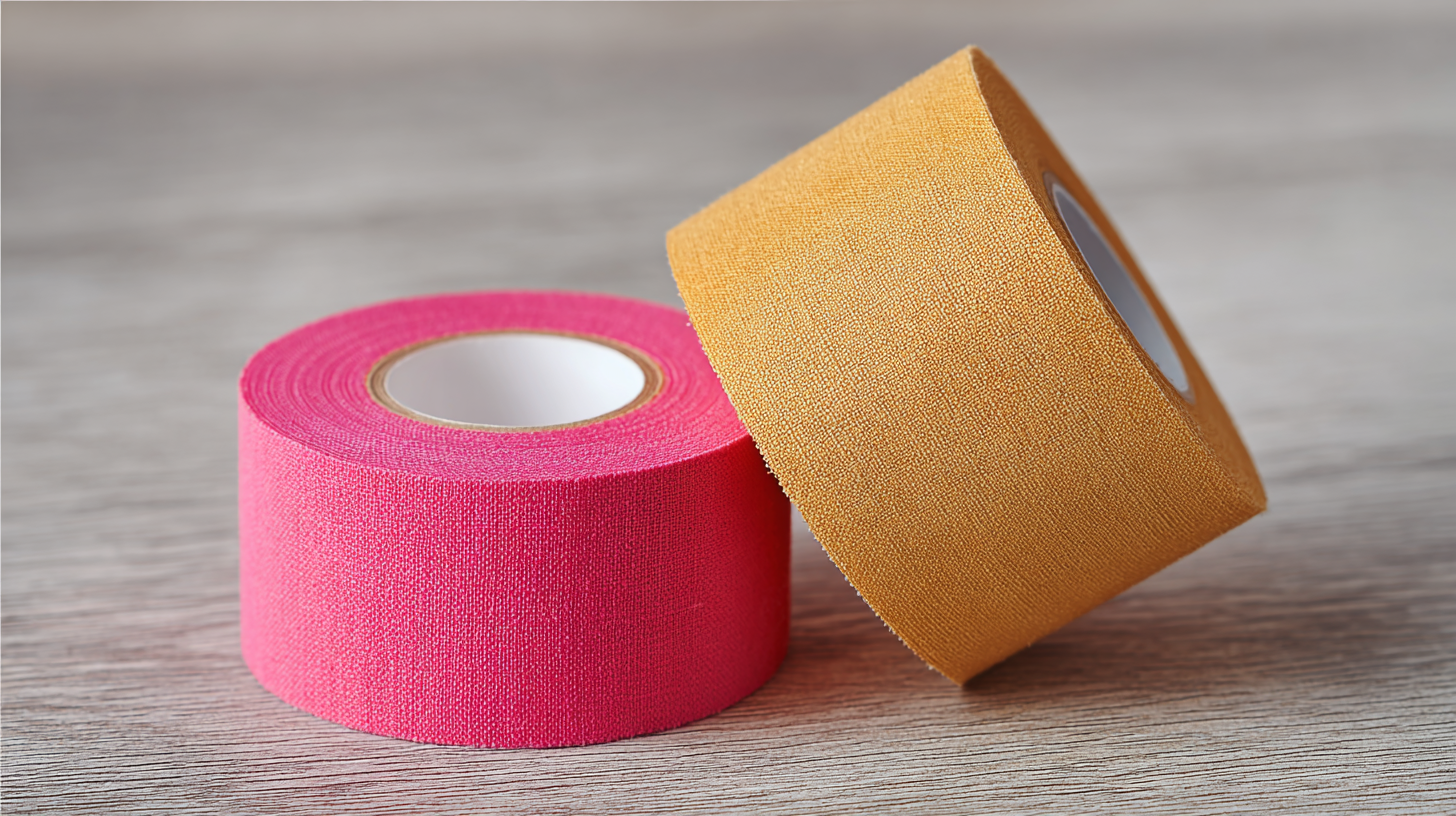
When you're putting on medical tape, it's really important to start with a clean, dry skin surface. Trust me, this makes a big difference—better stickiness and less chance of irritation. Before you even peel open the tape, give the area a gentle clean with some mild soap and water, then make sure to pat it dry thoroughly. Oh, and avoid lotions or oils beforehand because they can create a barrier, making the tape less effective.
Tips? Yeah, just use enough tape to cover the area—not too tight or stretched out. Gently pressing it down helps it stick better, but watch out—if it's too tight, it might cut off circulation, and that’s no good. If the skin is sensitive, go for hypoallergenic options so you’re not risking irritation.
When it’s time to take the tape off, go slow—rushing can hurt or damage your skin. Pull it off gently, and try to peel it back parallel to your skin rather than ripping straight up. If the adhesive's being stubborn, dampening the tape with warm water or using an adhesive remover can really help. After you’ve removed it, slap on a soothing lotion to keep your skin happy and healthy.
Sealing Success: The Essential Guide to Hot Melt Adhesives for Cartons and Boxes
Hot melt adhesives play a crucial role in the packaging industry, particularly for sealing cartons and boxes. The demand for efficient and reliable sealing solutions has increased significantly, driven by evolving consumer preferences and the rise of e-commerce. According to industry reports, the global hot melt adhesive market is projected to grow at a CAGR of 5.4% from 2021 to 2028, reflecting the increasing need for effective packaging solutions across various sectors.
One such exemplary product is HM-560, a general-purpose sealing hot melt adhesive specifically designed for corrugated paperboard boxes and folding cartons. With over 60 years of industry experience, this adhesive stands out due to its exceptional bonding strength, good heat resistance, and rapid setting time. The importance of these attributes cannot be overstated, as they not only enhance the structural integrity of the packaging but also ensure that products are delivered intact, improving customer satisfaction.
Certifications such as IAF, CNAS, CTI, and SGS authenticate HM-560's reliability and safety within regulatory standards. As businesses seek sustainable and efficient packaging solutions, using advanced hot melt adhesives like HM-560 can greatly enhance production efficiency and reduce material waste, ultimately contributing to a more sustainable supply chain.
FAQS
: Understanding skin sensitivity and potential allergies is crucial because many individuals may not realize they are allergic to materials found in medical tapes until they experience an adverse reaction, such as redness, itching, or irritation.
It is essential to perform a patch test before using a new medical tape to assess for possible allergic reactions.
Yes, manufacturers offer a range of medical tapes made with hypoallergenic materials designed to minimize the risk of allergic reactions while providing strong adhesion.
Assess your specific needs such as whether you require a water-resistant option, one that allows for skin breathability, or a hypoallergenic choice to improve comfort and efficacy.
Ensure the skin surface is clean and dry, avoid lotions or oils before application, and use enough tape to cover the area without excessive stretching.
Opt for hypoallergenic options specifically formulated for sensitive skin to reduce the risk of irritation.
Remove the tape slowly and parallel to the skin; avoid pulling it straight off to prevent pain or skin damage.
Dampening the tape with warm water or using an adhesive remover can help ease the removal of stubborn tape.
Always follow up with a soothing lotion to promote skin health after tape removal.
Conclusion
Picking the right medical tape adhesive really matters when it comes to effective wound care and making sure patients feel comfortable. When you're choosing a tape, it’s good to keep a few things in mind—like how sensitive the patient’s skin is, what kind of tape works best for the job, and how long it needs to stay on without causing issues. Plus, getting to know the different types of adhesives available, their thickness, and breathability can really help you make smarter choices tailored to each situation.
Foshan Nan Pao Advanced Materials Co., Ltd. specializes in top-quality hot melt adhesives, and they’re a great resource for industries that need trustworthy medical tape solutions. If you follow best practices for applying and removing the tape, you'll get the most benefit out of it—ultimately boosting patient comfort and better outcomes.