In the fast-moving world of manufacturing these days, Hygiene Hot Melt Adhesives are pretty much essential when it comes to making sure products are safe and high quality. Dr. Emily Lawson, who's an expert in adhesive tech over at Adhesive Innovations, really stresses how important these adhesives are: "Hygiene Hot Melt Adhesives are crucial for meeting today’s tough health standards." That really highlights just how important hygiene is across so many industries.
As people become more health-aware, businesses need to keep up. Luckily, Hygiene Hot Melt Adhesives offer a solid solution to help maintain product quality. You’ll find them used a lot in packaging, medical devices, and hygiene-related products—they bond strongly without sacrificing cleanliness. Still, I think some companies might not fully realize just how beneficial these adhesives can be.
If a business invests in good quality Hygiene Hot Melt Adhesives, it could really boost not only safety but also overall performance. But it’s surprising how some manufacturers overlook the higher initial costs of top-tier adhesives and instead chase cheaper options. That can end up hurting product quality in the long run. Honestly, it’s so important for companies to think ahead and understand that choosing the right adhesive can make a big difference. When hygiene’s a top priority, going for the best formulations can really tip the scales toward success.
Top Benefits of Hygiene Hot Melt Adhesives in Food Packaging Industry
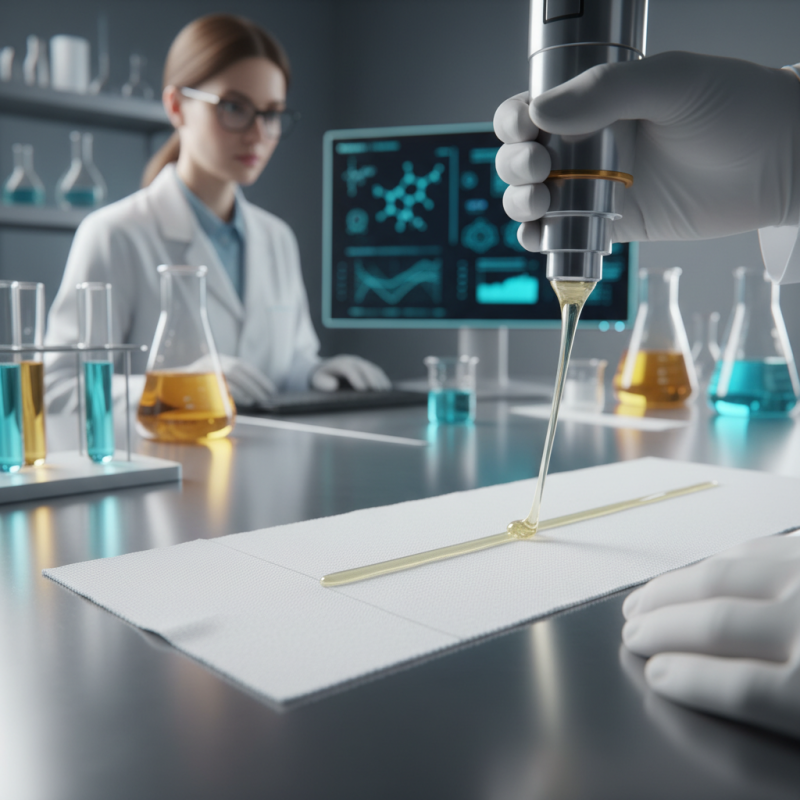
Hygiene Hot Melt Adhesives play a crucial role in the food packaging industry. These adhesives ensure that products remain uncontaminated during processing and transportation. By forming strong and durable bonds, they protect food items from exposure to harmful substances. This is vital in maintaining safety standards.
One significant advantage of these adhesives is their quick setting time. They bond rapidly, facilitating faster production lines. However, the rapid application can sometimes lead to misalignment. Attention is needed to achieve desired results. Temperature-sensitive products may pose challenges too, as improper heat can affect performance.
Furthermore, Hygiene Hot Melt Adhesives often improve the overall appearance of packaging. They allow for clean and seamless finishes. Nevertheless, it’s essential to regularly test the adhesives for compatibility with various materials. Not every adhesive will work perfectly for all packaging types. Finding the right balance is an ongoing process. This is an area worth exploring further for optimal results.
Enhanced Bonding Strength for Improved Product Durability
When it comes to product durability, the choice of adhesive is crucial. OEM Hygiene Hot Melt Adhesive offers enhanced bonding strength. This adhesive creates a lasting bond that resists disintegration under stress.
In applications such as packaging and textile, this bond means products can endure greater wear and tear. Imagine a product that maintains its integrity even in harsh conditions. The reliability of this adhesive can elevate the overall quality of your products. Customers notice durability, and this boosts brand loyalty.
Tips: Ensure proper application techniques to maximize effectiveness. The temperature of the adhesive matters. Optimal melting conditions can enhance the bond strength significantly. Regular testing of adhered materials can help identify issues early. This approach can save costs in the long run.
Using OEM Hygiene Hot Melt Adhesive also reduces the risk of failures that arise from weak bonding. Every detail counts when creating a final product. Small missteps in adhesive selection can lead to disappointing results. Reflecting on past projects can guide new choices. Consistently evaluating adhesive options will lead to improved future products.
Reduction of Contaminants and Improved Overall Product Safety
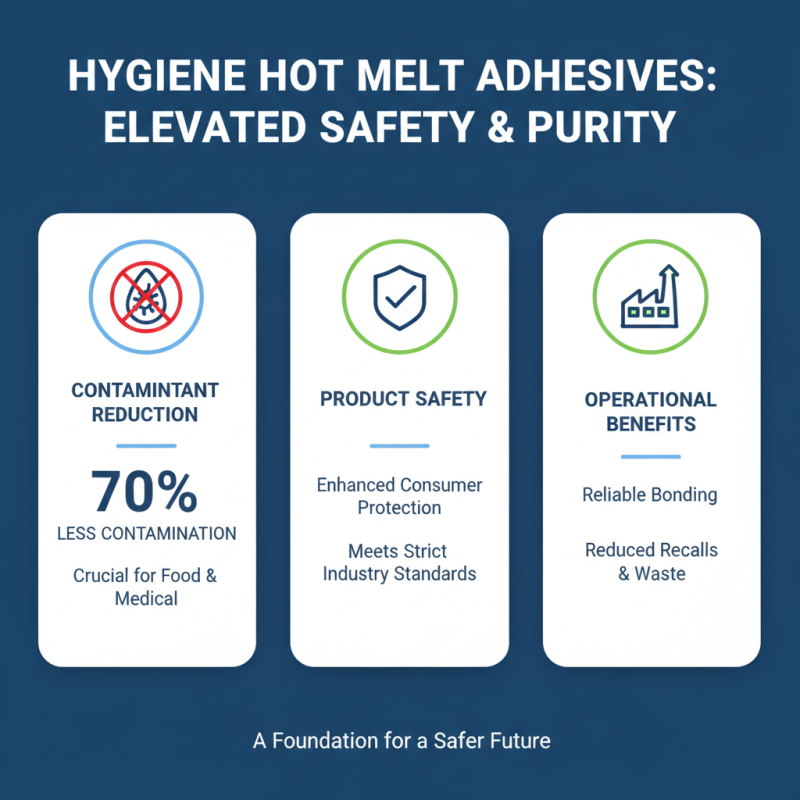
Hygiene hot melt adhesives offer significant benefits, especially in reducing contaminants. Contaminants can compromise product safety, leading to possible health risks. Research indicates that using rigorous hygiene practices, including adhesive selection, can decrease contamination levels by up to 70%. This reduction is crucial in industries like food packaging and medical devices.
The emphasis on improved product safety is vital. A clean adhesive surface translates to fewer bacteria and pathogens. Studies show that products made with hygiene-focused adhesives have lower microbial counts than traditional adhesives. This difference can help enhance consumer trust and brand reputation.
**Tip:** Regularly audit your adhesive choices. Ensure they meet hygiene standards. Consider replacing older adhesives with newer, safer options.
While these adhesives enhance safety, they come with their challenges. For instance, transitioning to hygiene hot melt adhesives may require adjustments in production processes. Some manufacturers report initial production slowdowns due to these changes. It’s vital to weigh these factors carefully.
**Tip:** Train your team on new equipment and practices. This can mitigate early struggles and improve efficiency.
Investing in hygiene hot melt adhesives is not just about safety. It's also a smart long-term strategy for maintaining high-quality standards in your products.
Economic Efficiency in Manufacturing Processes and Waste Reduction
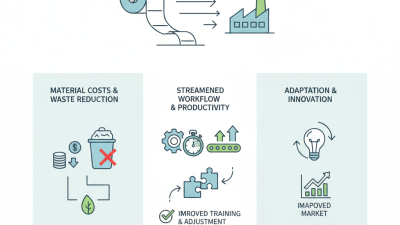
In today’s competitive manufacturing landscape, economic efficiency is paramount. High-Quality Hygiene Hot Melt Adhesive offers a smart solution. This adhesive enhances production speed and reduces material waste, significantly impacting the bottom line. By streamlining processes, manufacturers can lower costs and improve product quality.
Many companies face challenges in waste management. Traditional adhesives often lead to excess due to their application methods. With High-Quality Hygiene Hot Melt Adhesive, the waste is minimized. This adhesive can bond quickly and precisely, reducing overuse. However, some manufacturers may still struggle to adapt their processes to fully realize these benefits.
Investing in High-Quality Hygiene Hot Melt Adhesive might pose initial costs. Yet, the long-term savings from reduced waste can be substantial. Companies may need to refine their application techniques to maximize the adhesive's potential. Balancing efficiency and quality is no small feat. Yet, those who embrace this technology may find their operations transformed.
Compatibility with Various Substrates and Design Flexibility
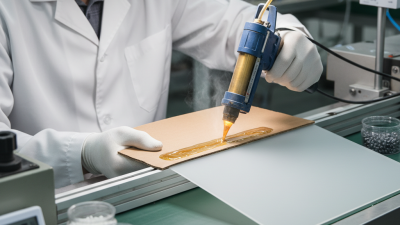
Hygiene hot melt adhesive is gaining popularity in various industries. Its ability to bond with multiple substrates makes it versatile. For example, it works well on materials like plastic, cardboard, and textiles. This compatibility can simplify the production process. Manufacturers can save costs by using one adhesive for different applications.
The design flexibility of these adhesives is also significant. They allow for intricate designs and shapes without compromising bonding strength. This aspect is crucial for brands that prioritize aesthetics and functionality. However, experimenting with different combinations might lead to unexpected results. It's essential to test the adhesion on various materials.
Tips for using hygiene hot melt adhesive include starting with small batches. This allows for adjustments based on performance. Always consider the specific substrates before choosing your adhesive. For those looking to save money, exploring options like Discount Hygiene Hot Melt Adhesive can be beneficial. But ensure it meets your quality standards. Keeping an open mind during development can lead to innovative solutions.
Sustainability Aspects in the Use of Hygiene Hot Melt Adhesives
Hygiene hot melt adhesives are becoming a popular choice in various industries. They offer more than just bonding strength. Sustainability is an essential aspect of their use. These adhesives are formulated to be eco-friendly. Many are created from renewable resources, reducing dependency on petrochemicals. This shift is needed for a greener future.
Packaging is a significant area where hygiene adhesives make an impact. They help minimize waste by ensuring strong seals. However, manufacturers sometimes overlook the life cycle analysis of these adhesives. It's crucial to evaluate their full environmental impact. Without proper assessment, we might miss opportunities for improvement.
Recycling rates can vary significantly. Some hygiene hot melt adhesives are not easily recyclable. This poses a challenge for sustainability initiatives. It's essential for companies to address these shortcomings. By doing so, they can align their practices with sustainable development goals. The industry must continue to innovate and adapt.
Regulatory Compliance and Certification Standards Supporting Hygiene Practices
Hygiene hot melt adhesive plays a pivotal role in maintaining product safety and quality. Regulatory compliance is crucial in industries such as food packaging, medical supplies, and personal care products. The global market for hygiene adhesives, valued at over $4 billion, reflects the growing demand for safe, certified options. Adherence to standards like ISO 9001 ensures that products meet customer and regulatory demands, enhancing trust.
Many consumers are unaware of the rigorous testing and certification processes involved. For instance, adhesives in the medical sector must comply with ISO 13485. This standard emphasizes quality management specific to medical devices. It promotes a safe environment, but not all suppliers fully embrace these regulations. Inconsistent compliance poses risks.
While many Hygiene Hot Melt Adhesive Suppliers strive for the highest standards, some fail to meet expectations. The challenge lies in creating processes that are both effective and transparent. Continuous improvement is vital. Regular audits and updates to compliance protocols help maintain quality. This ongoing effort elevates industry standards and protects consumer health. The focus must remain on innovation and sustainability, though not every supplier is achieving this.
Innovative Applications and Benefits of General Purpose Medical Hot Melt Adhesives in Healthcare Solutions
In the realm of healthcare solutions, the innovative applications of general purpose medical hot melt adhesives are transforming patient care and treatment methods. These adhesives, particularly those designed for medical use, exhibit several advantageous properties that make them ideal for a variety of healthcare applications. For instance, a notable feature is their excellent peel strength and holding power, which ensure that medical devices and dressings remain securely adhered to the skin, facilitating effective treatment without the inconvenience of frequent replacements.
Furthermore, the superior liquidity and tack of these adhesives enhance their usability in various settings, from surgical procedures to wound care. Their strong adhesion properties are particularly crucial in applications where skin integrity must be preserved, as these adhesives provide a gentle yet effective bond that reduces the risk of irritation. With a proven track record of being non-allergenic, general purpose medical hot melt adhesives are not only reliable but also promote patient comfort and safety, thereby significantly contributing to improved healthcare outcomes.
In addition to their technical benefits, the extensive industry experience behind the development of these adhesives assures users of their quality and performance. Certified by recognized organizations, these products meet rigorous standards, ensuring they are suitable for a wide range of medical applications. The continuous advancement in adhesive technology promises even more innovative solutions, paving the way for more effective and efficient healthcare delivery.
FAQS
dhesives play in food packaging?
Hygiene Hot Melt Adhesives bond rapidly. This accelerates production but can lead to alignment issues.
Yes, improper heat can affect adhesive performance. Careful temperature monitoring is crucial.
Yes, they allow for clean, seamless finishes. Regular compatibility testing is necessary for best results.
Strong bonding enhances product durability. It helps withstand wear and tear, sustaining product integrity.
Using precise application techniques with proper adhesives minimizes waste. Traditional methods often lead to excess.
Initial investment may be high, but long-term savings are significant. Reduced waste leads to cost efficiency.
They should test materials regularly and refine application techniques. Small errors can lead to bigger problems.
Past adhesive choices should guide new selections. Continuous evaluation can improve product quality.
No, it is challenging but necessary. Embracing innovative adhesives can significantly transform operations.
Conclusion
Hygiene Hot Melt Adhesives offer numerous advantages in various applications, especially in the food packaging industry. These adhesives are designed to enhance bonding strength, resulting in improved product durability. Additionally, they play a crucial role in reducing contaminants, thereby enhancing overall product safety for consumers. Their economic efficiency contributes to streamlined manufacturing processes and waste reduction, making them a cost-effective choice.
Moreover, Hygiene Hot Melt Adhesives are compatible with various substrates, providing design flexibility that meets diverse industry needs. The sustainability aspects of these adhesives support eco-friendly practices in packaging, while adherence to regulatory compliance and certification standards ensures that hygiene practices are maintained throughout the production process. Overall, the use of Hygiene Hot Melt Adhesives can significantly elevate product quality and safety in the marketplace.